Amsterdam WorldPride Enhances Security Amidst Heightened Concerns
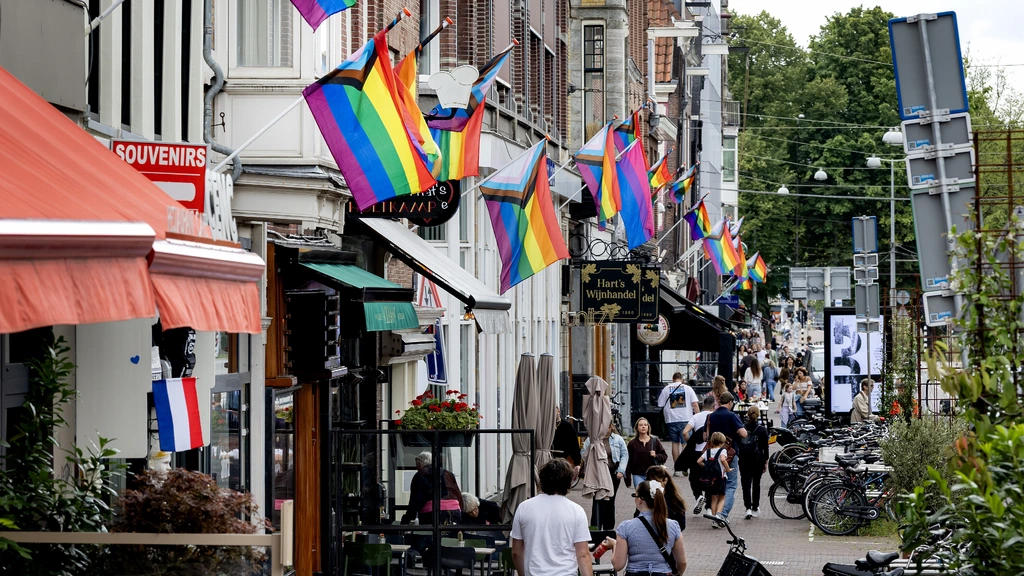
Amsterdam is implementing enhanced security measures and increased vigilance for its WorldPride event this weekend, a week after a significant attack in Berlin. Despite the heightened security, attendance remains strong, with hundreds queuing outside venues like Club Church. Club owner Richard Keldoulis noted that while there are concerns and a palpable sense of tension, patrons are not deterred, and the club is conducting thorough bag checks and maintaining close contact with police. One attendee, who is from Berlin and was near the site of the recent attack, expressed appreciation for the club's initiative but acknowledged that security measures cannot guarantee complete safety, citing the Berlin incident despite existing precautions. The threat level for Amsterdam's Pride has always been considered high, but the Berlin attack has intensified scrutiny. Mayor Femke Halsema has pledged additional measures, aiming to minimize their impact on attendees' experience. Specific details of these measures are being withheld for security reasons. The police network Roze in Blauw is playing a crucial role, acting as a visible presence and liaison with the LGBTQI+ community to ensure support and facilitate reporting of incidents. For the first time, Amsterdam has designated over forty 'safer spaces' across the city, including hotels and museums, as part of an initiative by the reporting center Rita. These locations will provide assistance and refuge for LGBTQI+ individuals experiencing harassment or seeking to escape difficult situations. Staff at these safer spaces are trained to assist queer community members, and the initiative aims to continue beyond the Pride event, addressing the ongoing safety concerns faced by many in the community.
The heightened security at WorldPride Amsterdam, prompted by recent events in Berlin, highlights the ongoing tension between public safety requirements and the core values of freedom and visibility central to such events. While increased security aims to mitigate risks, it also presents a challenge in ensuring these measures do not overshadow the celebratory and inclusive atmosphere. The introduction of 'safer spaces' represents a proactive, community-centered approach to support, acknowledging that physical security alone may not address all forms of harm. This initiative reflects a broader societal reckoning with the need for inclusive public spaces and the systemic challenges faced by marginalized communities. Looking ahead, the integration of such support networks could become a model for future large-scale events, demonstrating a shift towards more holistic safety and community resilience strategies in an evolving social landscape.
AI-generated to prompt reflection — not editorial opinion, not advice, not a statement of fact. How this works.