Amy Winehouse: A Brief but Influential Career, Early Death, and Lingering Pain
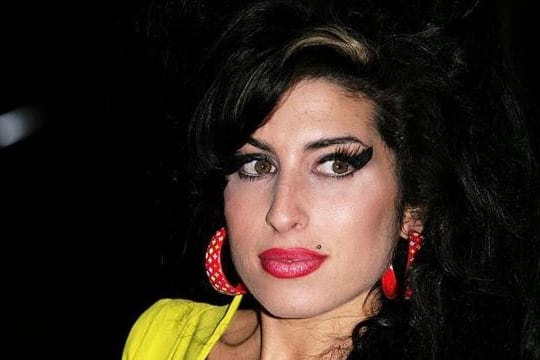
Fifteen years after her death, the conversation surrounding Amy Winehouse continues to be shaped by her personal struggles, often overshadowing her significant musical contributions. Winehouse, a songwriter whose influence has grown considerably since her albums "Frank" and "Back to Black," experienced a career that, though short, left an indelible mark on the music industry. The public discourse frequently focused more on her private life than on her artistic achievements. This emphasis on her personal battles, rather than her creative output, highlights a persistent challenge in how society engages with and remembers artists who grapple with addiction and mental health issues. Her legacy, however, continues to resonate, with her unique sound and lyrical depth influencing subsequent generations of musicians. The enduring impact of her work suggests a deeper appreciation for her artistry is solidifying over time, moving beyond the sensationalism that once dominated discussions about her life. The pain associated with her early demise remains palpable, underscoring the tragic loss of a unique talent.
The enduring public fascination with Amy Winehouse's life, often eclipsing her artistic accomplishments, reflects a broader societal tendency to sensationalize the struggles of talented individuals, particularly those in the public eye. This dynamic raises questions about the ethical responsibilities of media and audiences in balancing the human element of an artist's life with the appreciation of their creative work. Moving forward, the music industry and cultural commentators face the challenge of fostering an environment where artists' contributions are celebrated for their intrinsic merit, rather than being consumed through the lens of personal tragedy or tabloid narratives. This requires a conscious effort to deconstruct the allure of 'tortured artist' tropes and to prioritize a nuanced understanding of artistic influence and legacy, especially in an era increasingly shaped by digital narratives and the constant demand for personal disclosure.
AI-generated to prompt reflection — not editorial opinion, not advice, not a statement of fact. How this works.