Analysis of Drowning Accident Data Reveals Delays in Medical Handovers
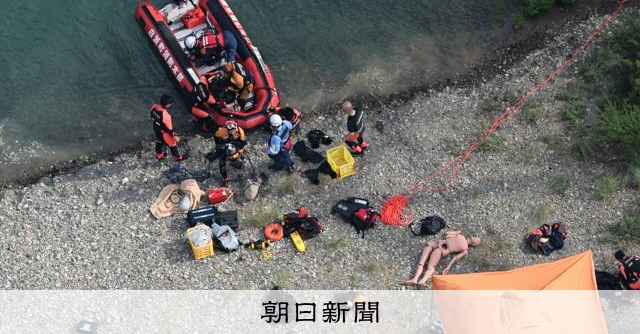
An analysis of transport data for drowning accident victims in Japan has revealed significant delays in medical care. The study found that one in three victims waited over an hour before being handed over to medical professionals. This delay can be critical in survival rates and recovery outcomes for drowning incidents. The data highlights a potential systemic issue in the emergency response and medical transfer process for these types of accidents. Further investigation into the specific causes of these extended wait times is warranted. Factors such as the distance to medical facilities, the availability of transport, and the coordination between rescue teams and hospitals may contribute to the problem. Addressing these delays could significantly improve the prognosis for drowning victims across the country. The findings underscore the importance of efficient emergency medical services in mitigating the impact of water-related tragedies.
The analysis of drowning accident transport data indicates a critical bottleneck in the emergency medical response chain, specifically concerning the time elapsed before victims receive professional medical attention. This delay, affecting one in three cases by exceeding an hour, suggests potential inefficiencies in inter-agency coordination, resource allocation, or geographical access to care. From a systems perspective, optimizing the handover process could dramatically improve patient outcomes by adhering to critical time windows for resuscitation and treatment. Future considerations should focus on developing protocols for faster, more integrated emergency medical services, potentially leveraging technology for real-time communication and resource deployment to minimize such critical delays and enhance public safety in aquatic environments.
AI-generated to prompt reflection — not editorial opinion, not advice, not a statement of fact. How this works.