Analysis of Public Opinion Polls on the Revised Imperial House Law
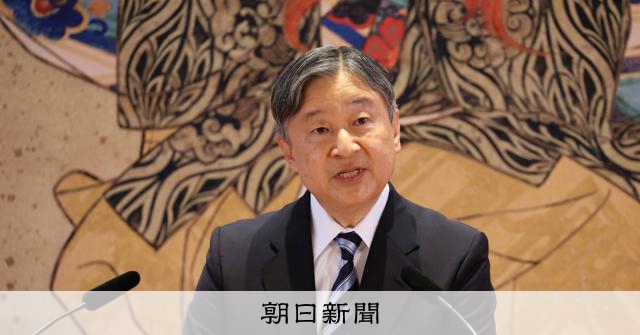
A recent public opinion poll reveals that a significant portion of the Japanese populace is not fully convinced by the revised Imperial House Law. The law, which addresses critical issues surrounding the imperial succession, has been met with reservations from various segments of society. The poll results suggest a disconnect between the government's intentions and public perception regarding the implications of these legislative changes. Specifically, concerns have been raised about the long-term stability and continuity of the Imperial family under the new framework. The survey indicates that while the public acknowledges the need for reform, the current revisions do not entirely alleviate existing anxieties. Further public discourse and clarification may be necessary to foster broader acceptance and understanding of the revised law. The findings underscore the importance of public sentiment in shaping and validating significant national legislation, particularly concerning institutions as sensitive as the Imperial family.
The public's reservations regarding the revised Imperial House Law, as indicated by opinion polls, highlight a potential gap in communication and public engagement. While legislative bodies aim to address societal needs and ensure institutional continuity, the reception of such laws is contingent on public trust and understanding. The analysis of these poll results suggests that the current framework may not adequately address underlying public concerns about the Imperial family's future. Moving forward, a more inclusive dialogue that incorporates diverse public perspectives could strengthen the legitimacy of such reforms. This approach aligns with principles of good governance, ensuring that significant national decisions resonate with the populace and are adaptable to future societal shifts in the coming decade.
AI-generated to prompt reflection — not editorial opinion, not advice, not a statement of fact. How this works.