Analysis suggests half of key munitions depleted despite Trump's 'plenty of ammo' claim
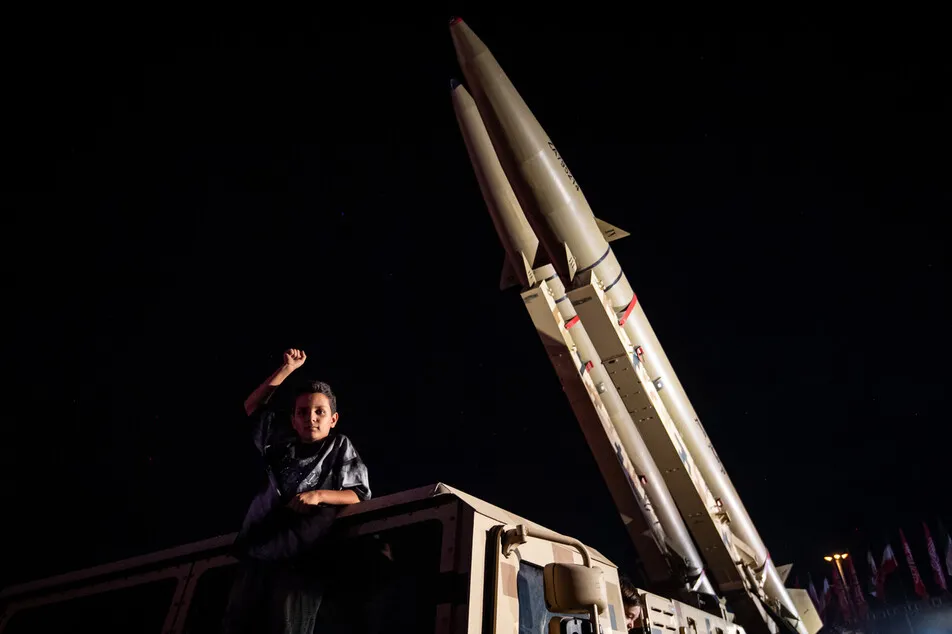
Despite former U.S. President Donald Trump's assertions of having "plenty of ammunition," recent analyses indicate that approximately half of crucial munitions have been expended. This discrepancy has emerged amidst ongoing discussions about military readiness and supply chains. The analyses point to a significant drawdown of essential weaponry, raising questions about the adequacy of existing stockpiles for future contingencies. The specific types of munitions and the timeframe over which this depletion occurred are central to the ongoing debate. These findings suggest a potential gap between public statements and the actual state of military resources. The implications for defense planning and international security are considerable, particularly given the current geopolitical climate. Further investigation into the specifics of these analyses and the underlying data is warranted to fully understand the situation. The differing perspectives highlight the complexities of managing and assessing military inventories in a dynamic global environment.
The divergence between public claims of abundant military supplies and analytical assessments of significant munitions depletion warrants careful examination. This situation underscores the critical importance of transparent and accurate inventory management within defense sectors. It prompts consideration of the incentive structures that might lead to discrepancies between perceived and actual resource levels. In the context of evolving global security challenges and the increasing demand for advanced weaponry, understanding these dynamics is crucial for effective long-term strategic planning and resource allocation. The analyses suggest a need for robust oversight mechanisms to ensure that national defense capabilities align with declared readiness levels, fostering greater confidence in strategic preparedness for the coming decade.
AI-generated to prompt reflection — not editorial opinion, not advice, not a statement of fact. How this works.