Analysis: Trump's tough talk on Iran masks a need for continued negotiations
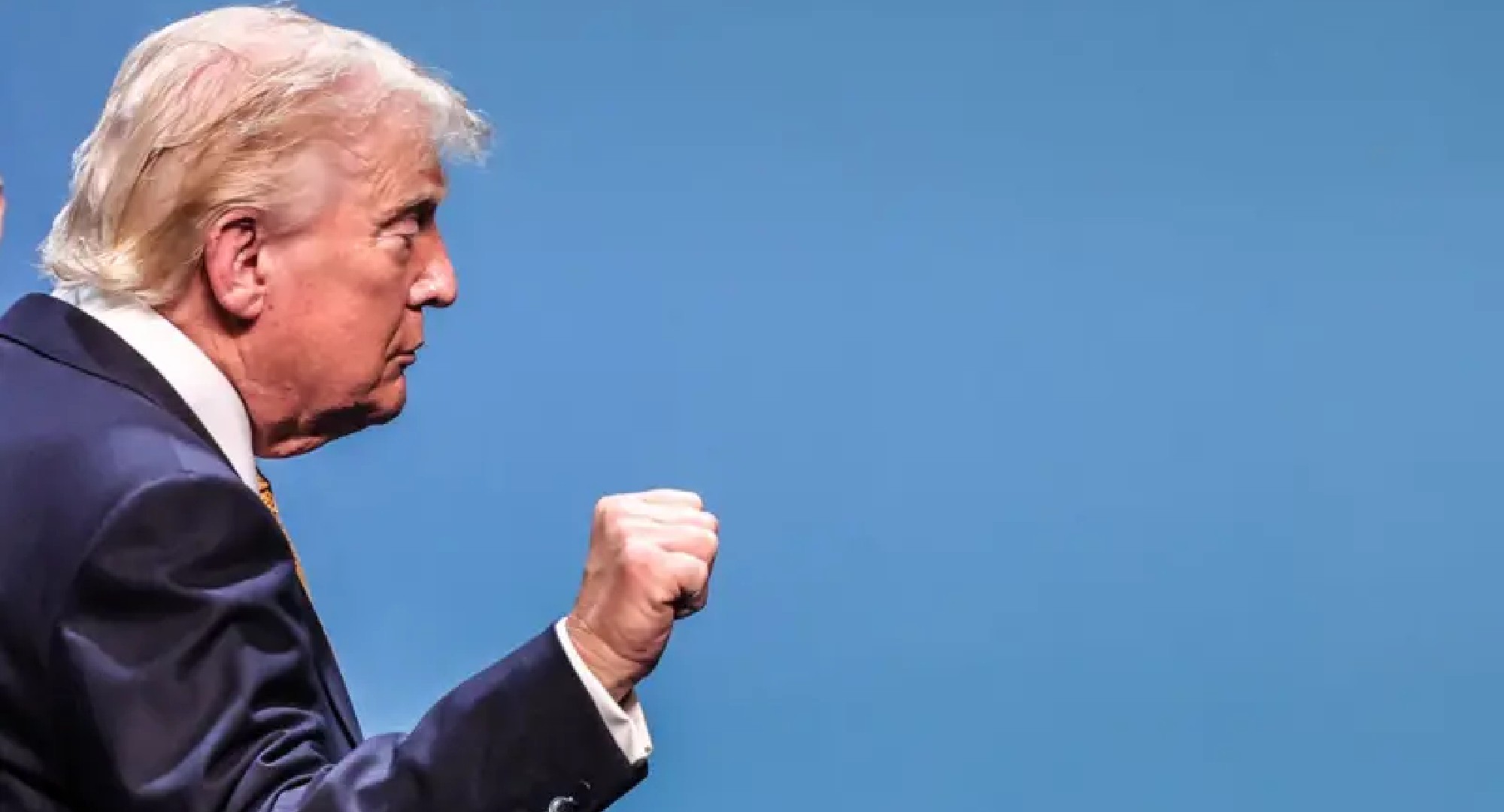
Despite strong rhetoric against Iran, calling its leaders "sick" and "cruel," U.S. President Donald Trump appears to have no better option than to continue negotiating with the regime. Trump's statements, oscillating between threats of annihilation and claims of impending victory, suggest a complex strategy that acknowledges the ongoing nature of negotiations, even after escalating military actions. The U.S. has demonstrated its capacity to inflict significant damage on Iran, but has failed to break the regime's resolve on core demands, particularly control over the Strait of Hormuz. Recent events, including Iran's mourning period for its assassinated former supreme leader, Ayatollah Ali Khamenei, temporarily suspended talks, but the underlying issues remain unresolved.
Trump's dismissive comments that negotiators might be "wasting their time" can be interpreted as an admission that direct confrontation is not yielding the desired outcome, leaving diplomacy as the primary path forward. The negotiation process is described as fragile, with a palpable tension stemming from a lack of mutual trust. Iran's determination to control the Strait of Hormuz, a critical chokepoint for global oil and gas supplies, is a key leverage point that it is unwilling to relinquish, even at the risk of continued conflict. This strategic control is seen as a more potent tool than the potential development of nuclear weapons.
Mediators believe an agreement is possible if the escalation can be halted. Such a deal would likely involve unlocking frozen Iranian assets, permitting oil sales, and acknowledging Iranian authority over the Strait. In return, Iran would need to accept limits on uranium enrichment, allow UN nuclear inspectors, and account for its enriched uranium stockpiles. However, recent events underscore the immense difficulty in reaching such a comprehensive agreement, highlighting the deep-seated mistrust and conflicting strategic interests between the two nations.
The analysis suggests that U.S. President Trump's confrontational public statements toward Iran may be a negotiating tactic rather than a definitive policy shift. The inherent contradiction lies in the U.S. capacity for military action versus its inability to compel Iran's fundamental policy changes, particularly regarding the Strait of Hormuz. This dynamic points to a strategic stalemate where neither side can achieve its objectives through force alone, necessitating continued, albeit strained, diplomatic engagement. The global economic implications of controlling the Strait of Hormuz underscore Iran's strategic leverage, presenting a complex challenge for U.S. foreign policy in balancing security concerns with the need for stable energy markets. Future diplomatic efforts will likely hinge on managing these competing interests and rebuilding a modicum of trust in a highly volatile geopolitical environment.
AI-generated to prompt reflection — not editorial opinion, not advice, not a statement of fact. How this works.