Analyst Criticizes Referendum as 'Papalashism,' Calls for Debate on Future of Voting
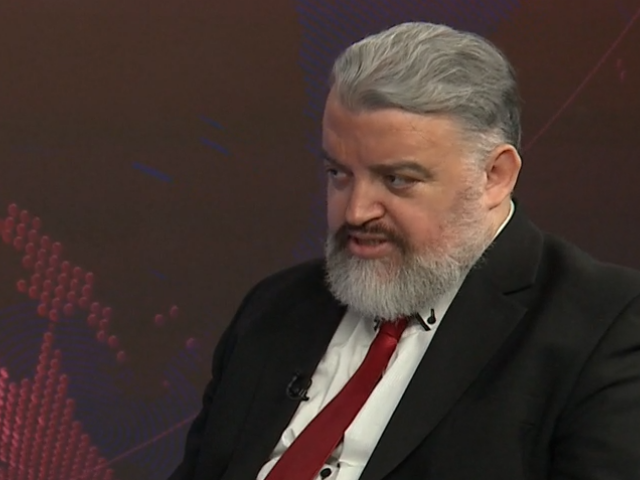
Political analyst and historian Eduard Chmelár has described the recent unsuccessful referendum as a political failure for the Democratic party. Chmelár stated in a ta3 Téma program that the low turnout, coupled with the manner in which the referendum was prepared and communicated, indicates a need for Slovakia to seriously discuss the future of referendums. He characterized the concept of 'renta' (pension/allowance) as 'papalashism,' suggesting it represents an outdated and privileged system. Chmelár's critique extends beyond mere participation numbers, focusing on the strategic and communicative shortcomings that contributed to the referendum's lack of success. This event, according to Chmelár, highlights potential systemic issues with how referendums are conceived and executed in Slovakia.
The low turnout in the recent referendum, as highlighted by Eduard Chmelár, raises questions about the efficacy of current direct democracy mechanisms in Slovakia. The critique of 'papalashism' suggests a potential disconnect between political elites and public sentiment, possibly indicating that the issues addressed did not resonate broadly or were not effectively framed to engage a wider electorate. This situation prompts consideration of whether existing frameworks for referendums are adequately adapted to contemporary societal engagement patterns and information dissemination, or if reforms are needed to enhance their democratic legitimacy and impact. Future considerations might involve exploring alternative models for citizen consultation or improving the strategic communication surrounding such pivotal democratic exercises to ensure greater public buy-in and participation.
AI-generated to prompt reflection — not editorial opinion, not advice, not a statement of fact. How this works.