Anchieta Highway Undergoes Expansion and Modernization in Mountainous Section
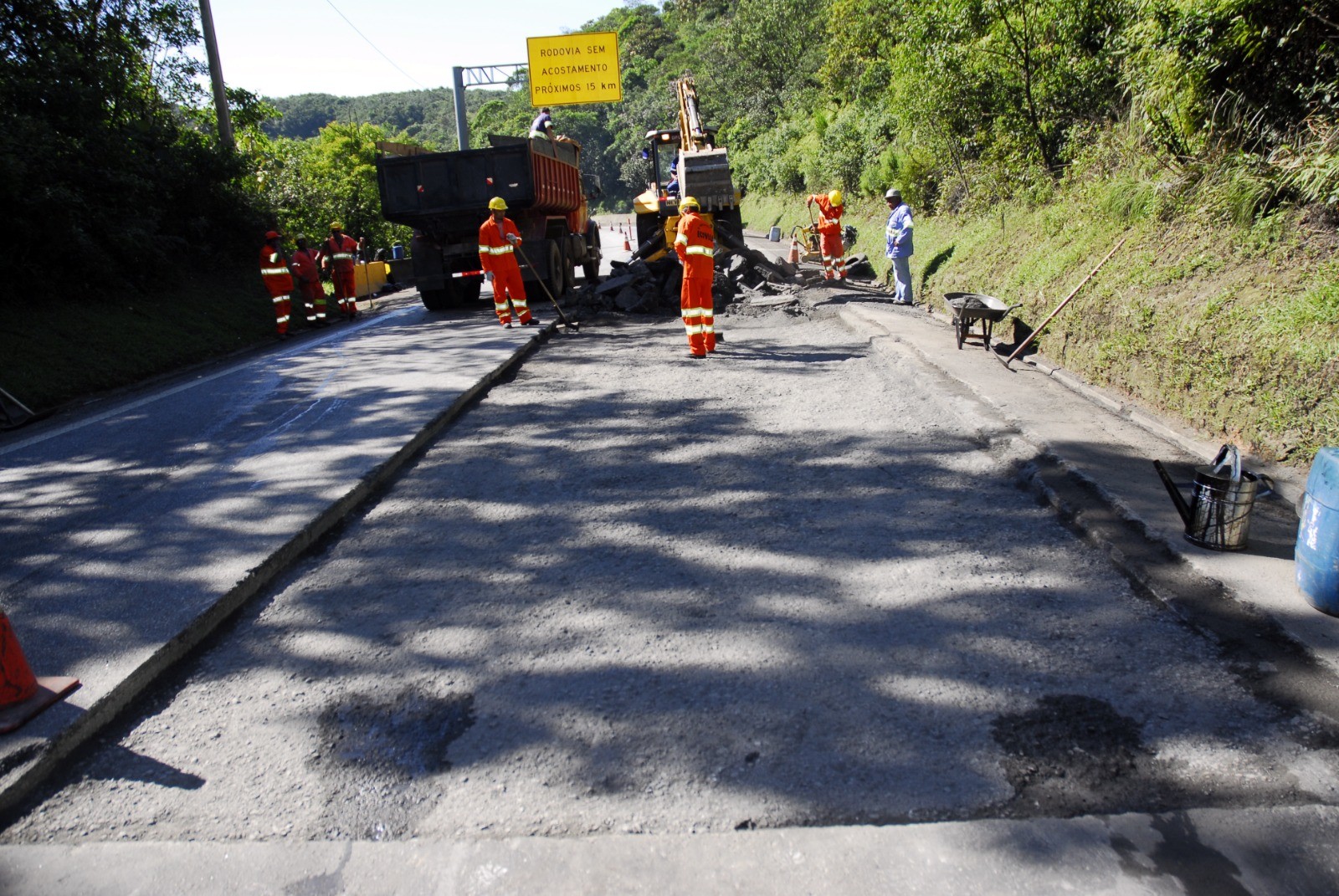
The Anchieta Highway is currently undergoing significant upgrades to its mountainous stretch, aiming to enhance road safety, traffic flow, and operational efficiency. These improvements are part of the Anchieta-Imigrantes System (SAI) Concession Program. The initial phase of work is focused on the curves of the southbound lanes (towards the coast) at kilometers 41, 44, and 46. This segment is expected to be completed by September 2026. Following the southbound lanes, the modernization efforts will transition to the northbound lanes (towards São Paulo) at kilometers 44, 43, and 41. This second phase is slated to commence in 2026 and conclude in 2027. The comprehensive construction involves site clearing, geotechnical services, demolition, earthworks, drainage, paving, installation of rigid barriers, and updated vertical and horizontal signage. The primary goal is to improve curve angles, widen the driving lanes, and increase driver visibility. Beyond pavement adjustments, the project includes the deployment of new monitoring and operational control systems, such as surveillance cameras, variable message signs, and radars managed by the Road Department (DER). The concessionaire, Ecovias, stated that traffic impacts are being minimized through enhanced signage, continuous monitoring, and on-site team support. The Anchieta Highway, originally opened in 1947, was designed for a different era of traffic with smaller heavy vehicles. The current modernization is a response to the increased volume and size of trucks, aligning the highway with contemporary engineering standards and current sector demands.
The modernization of the Anchieta Highway addresses a critical infrastructure challenge: adapting a legacy system designed for past traffic realities to meet current and future demands. The project's focus on widening lanes and improving visibility in the mountainous terrain is a pragmatic response to the evolution of heavy vehicle dimensions and traffic volume. This initiative highlights the ongoing tension between maintaining historical infrastructure and the necessity of technological and engineering upgrades to ensure safety and efficiency. The planned integration of advanced monitoring systems suggests a broader trend towards smart infrastructure, where data and technology play a crucial role in traffic management and predictive maintenance. Looking ahead, such upgrades are essential for economic competitiveness and public safety, mitigating risks associated with outdated designs in an increasingly complex transportation ecosystem.
AI-generated to prompt reflection — not editorial opinion, not advice, not a statement of fact. How this works.