Anchieta-Imigrantes Highway System Adopts Free Flow Tolls August 1st
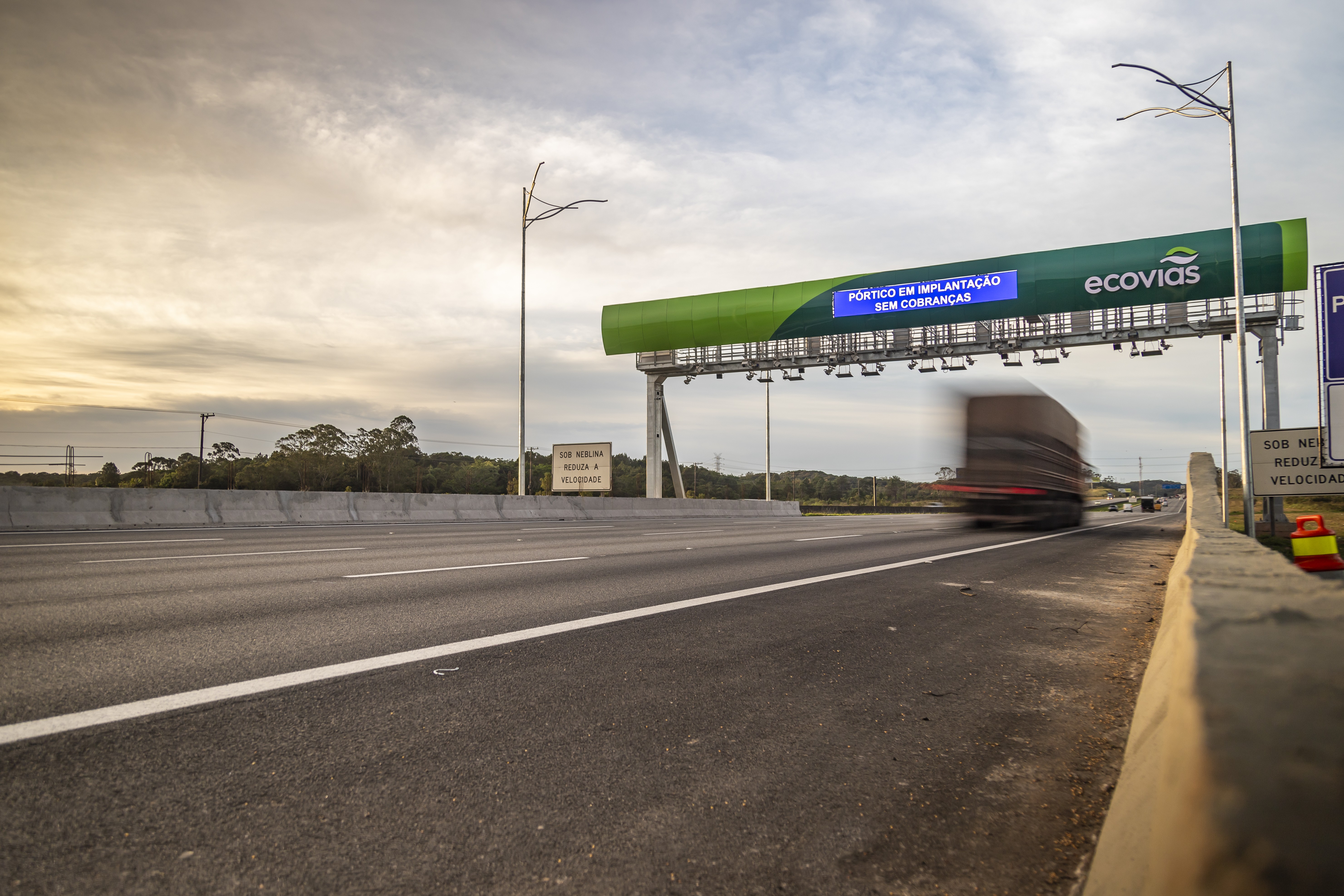
Starting August 1st, the Anchieta-Imigrantes Highway System (SAI) in Brazil will transition to a free flow toll collection system, eliminating the need for vehicles to stop at toll booths. Electronic gantries have been installed at Km 33 of the Via Anchieta and Km 29 of the Rodovia dos Imigrantes, operating in both directions. According to Raquel França Carneiro, director of the São Paulo State Transport Agency (Artesp), this change is expected to improve traffic flow, reduce accidents, and pave the way for the permanent removal of toll plazas later this year. The toll structure will change from a single R$40.60 charge on the descent to two R$20.30 charges, one for each direction. This adjustment is anticipated to particularly benefit truck drivers, who will have their return trips, often with lighter loads and fewer axles, charged at a lower rate. Initially, the free flow system will not be implemented on the Padre Manoel da Nóbrega and Cônego Domênico Rangoni highways; its adoption there will be evaluated after the SAI model is consolidated. Artesp estimates that a significant majority of SAI users, 77%, already utilize electronic tags, ensuring automatic payment. For those without tags, payment can be made via the Siga Fácil platform using Pix, credit card, or Ecovias Imigrantes self-service kiosks. The deadline for paying electronic toll debts has been extended to November 16th, after which the standard 30-day payment window will resume. Failure to pay will result in a R$195.23 fine and five points on the driver's license. The concession contract for SAI maintains the current tariff model, and there will be no discounts for frequent users. The gantries will also integrate with the state's Muralha Paulista program, sharing real-time vehicle data with the Military Highway Police. The existing toll plazas will remain open temporarily until partially demolished, pending the implementation of a new convoy operation model.
The implementation of a free flow toll system on the Anchieta-Imigrantes Highway System represents a significant technological upgrade aimed at enhancing traffic efficiency and safety. By leveraging electronic gantries and existing tag technology, the system seeks to reduce congestion and the potential for accidents associated with stopping at toll booths. The shift to a bidirectional charging model, with potentially lower costs for returning commercial vehicles, addresses specific economic incentives within the logistics sector. While the stated benefits focus on fluidity and accident reduction, the long-term impact on user behavior, data privacy under the Muralha Paulista program, and the eventual complete removal of physical toll infrastructure warrant ongoing observation. The system's success will depend on user adoption, the accuracy and reliability of the technology, and the administrative efficiency of managing payments and enforcement, particularly for non-tagged vehicles.
AI-generated to prompt reflection — not editorial opinion, not advice, not a statement of fact. How this works.