Anchieta-Imigrantes System Adopts Electronic Tolls and Dynamic Convoy Operations
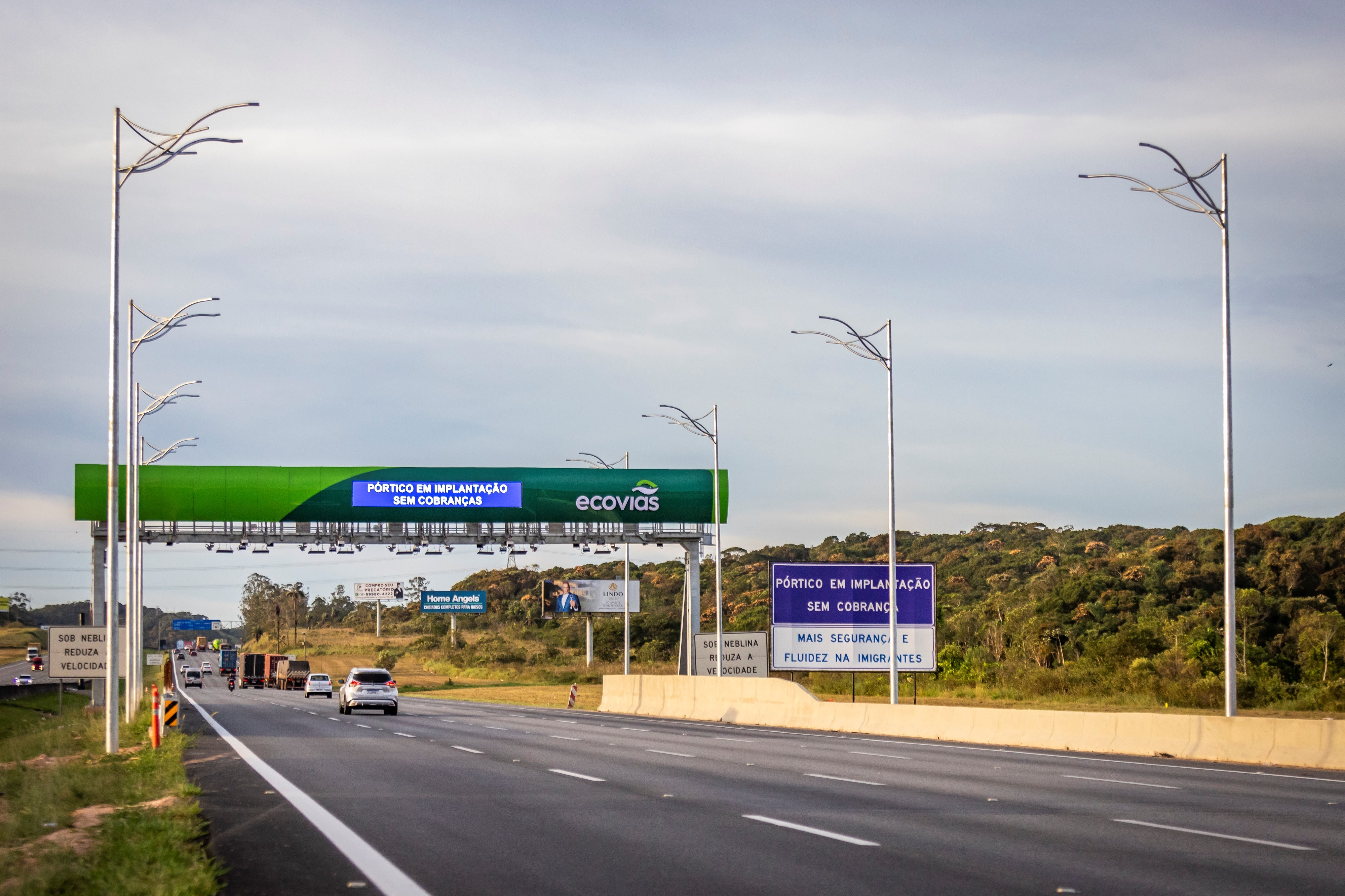
The Anchieta-Imigrantes System (SAI) is entering a new phase of modernization with the implementation of electronic tolling and a dynamic convoy operation. The electronic toll system, set to begin on August 1st, will replace physical toll plazas with gantries installed on Via Anchieta (km 33) and Rodovia dos Imigrantes (km 29). Vehicles will pass through without stopping, with identification handled by electronic tags, license plate recognition, and sensors. Users with existing tags will not need to take further action, while payments for plate-identified vehicles can be managed online. Motorcycles will remain toll-exempt, and truck tolls will continue to be based on the number of axles. Existing toll plazas will temporarily remain operational to facilitate the transition and support the current convoy operation during fog. This convoy procedure currently involves grouping vehicles and escorting them by road police through the mountain pass. Ecovias Imigrantes, in collaboration with ARTESP and Road Policing, is developing an innovative, unprecedented dynamic convoy model in Brazil. This new model aims to eliminate mandatory stops and leverage technology to maintain safety standards during low visibility conditions. The details of this new operation and its technologies will be disclosed after final approval by ARTESP. The removal of the old toll plazas will only occur after the new system is officially approved and implemented. These technological upgrades are part of broader investments to enhance the SAI's operation, which already includes extensive monitoring systems. The integration of these technologies is expected to increase operational automation, reduce physical interventions, and improve response times to incidents like congestion, accidents, and fog, ultimately preparing the system for future demand growth.
The transition to electronic tolling and dynamic convoy operations on the Anchieta-Imigrantes System represents a strategic move towards leveraging technology for enhanced traffic flow and safety. By automating toll collection and modernizing fog-related convoy procedures, the system aims to improve efficiency and reduce operational bottlenecks. This initiative aligns with broader trends in intelligent transportation systems, where data integration and sensor networks are crucial for real-time traffic management. The success of these implementations will depend on robust technological infrastructure, seamless user adoption, and effective coordination between operational entities like Ecovias Imigrantes and ARTESP. Future challenges may include ensuring data privacy, cybersecurity, and adapting the system to evolving vehicle technologies and traffic patterns in the coming decade.
AI-generated to prompt reflection — not editorial opinion, not advice, not a statement of fact. How this works.