Ancient Astronomers Noted Theta Eridani's Brightness; Scientists Now Explain Why
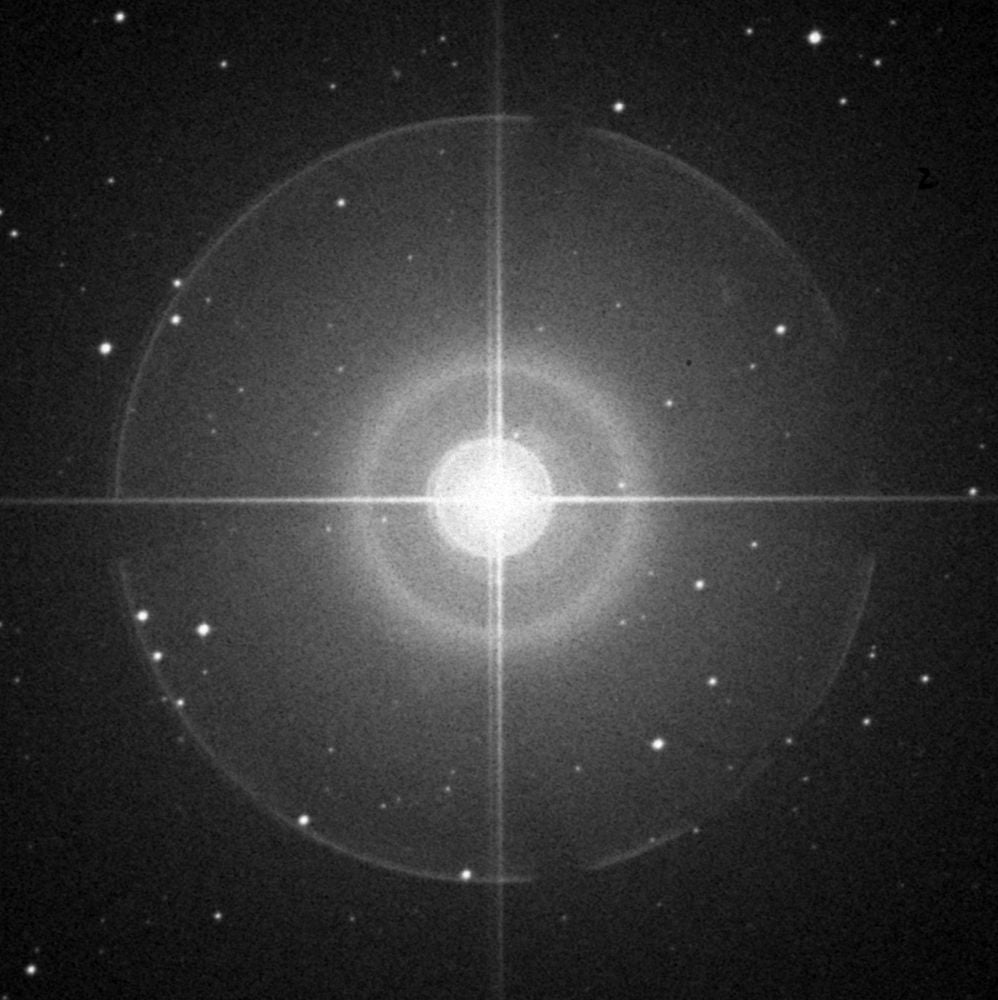
Ancient astronomers Ptolemy of Greece and al-Sufi of Persia, separated by nearly a millennium, both observed that the star Theta Eridani appeared significantly brighter than it does in contemporary times. Recent scientific understanding has now elucidated the reason behind this historical discrepancy in luminosity. These observations, made by two prominent figures in astronomical history, highlight the long-term changes that can occur in celestial bodies. The differing brightness recorded by Ptolemy and al-Sufi provides valuable data for understanding stellar evolution and variability over extended periods. This discovery allows astronomers to reconcile historical records with current scientific models of stellar behavior. The star, located in the constellation Eridanus, has been a subject of interest due to these historical accounts of its past brilliance. Further research is expected to build upon this explanation, potentially revealing more about the star's lifecycle. The confirmation of why Theta Eridani was brighter in antiquity marks a significant step in astronomical research.
Historical astronomical records, such as those from Ptolemy and al-Sufi, offer a unique long-term perspective on stellar behavior, complementing modern observational data. The explanation for Theta Eridani's past luminosity suggests that stellar variability is a natural phenomenon that can span centuries, impacting how we perceive and catalog stars. Understanding these long-term cycles is crucial for refining astrophysical models and for potentially identifying other stars that may have undergone similar changes. This knowledge can inform future astronomical surveys and improve our comprehension of stellar evolution within the broader context of galactic dynamics. Such insights are essential for developing more robust predictive models in astronomy.
AI-generated to prompt reflection — not editorial opinion, not advice, not a statement of fact. How this works.