Ancient Bees Used Mammal Tooth Sockets as Nests 20,000 Years Ago
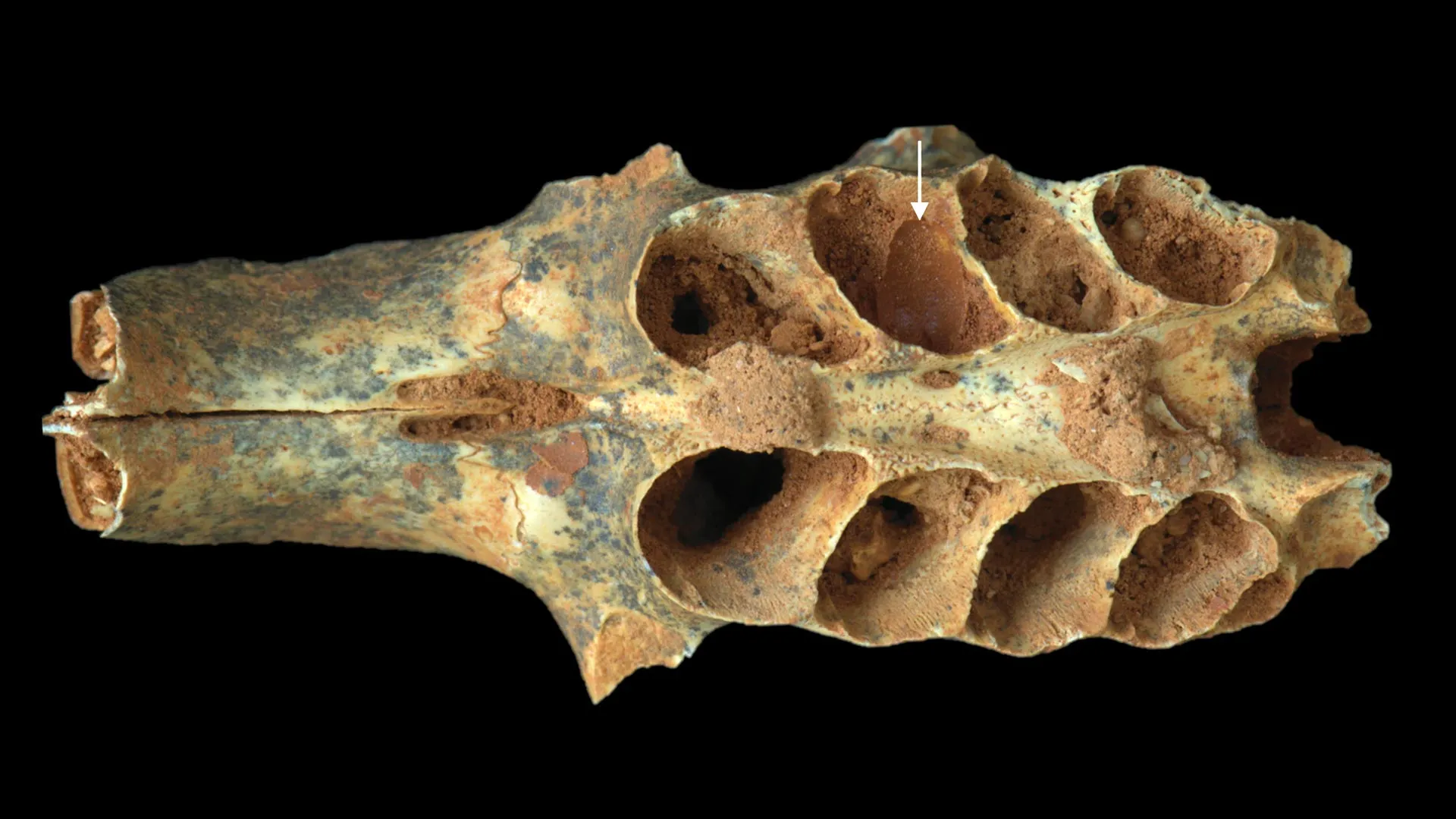
A remarkable fossil discovery has revealed that ancient bees utilized empty tooth sockets in mammal bones as miniature nesting sites approximately 20,000 years ago. This behavior was uncovered within a cave where owls had previously deposited the bones. The finding represents the first documented instance of bees nesting within animal bones, highlighting an exceptionally ingenious adaptation for survival. This creative strategy demonstrates the remarkable flexibility of insect behavior in response to available resources and environmental conditions. The discovery offers new insights into the ecological interactions and behaviors of prehistoric insects.
This discovery illustrates the adaptive capacity of insects, showcasing how a species can repurpose environmental elements for survival. The behavior suggests that resource availability, even in seemingly unusual forms like fossilized tooth sockets, can drive evolutionary innovation. Examining such adaptations provides a lens through which to understand the long-term resilience of insect populations and their potential responses to future environmental shifts. This finding underscores the importance of paleontological research in revealing complex ecological dynamics that extend beyond direct predator-prey relationships.
AI-generated to prompt reflection — not editorial opinion, not advice, not a statement of fact. How this works.