Ancient Bullets Uncover Roman Camp Ambush Site in Spanish Pyrenees
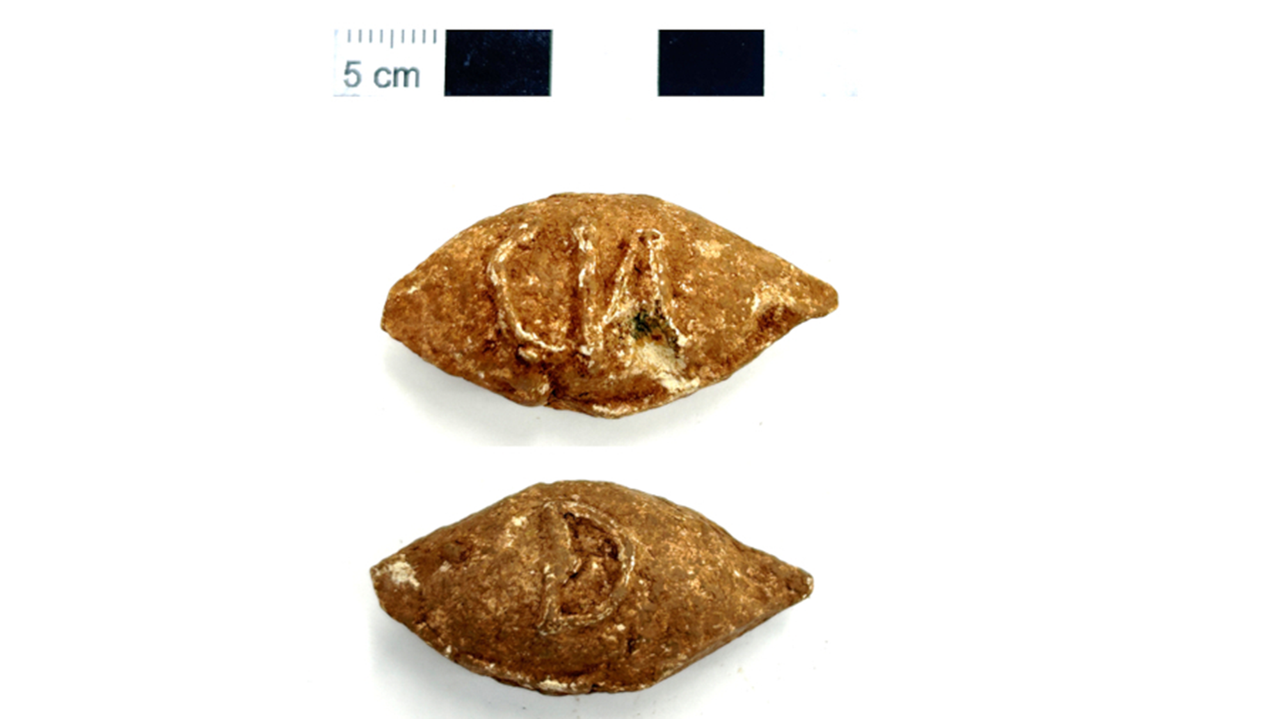
Archaeologists have unearthed evidence of a Roman military camp dating back to 39 B.C. in the Pyrenees region of what is now Catalonia, Spain. The discovery was made possible through the analysis of ancient bullets found at the site. These artifacts revealed that the camp was ambushed by local inhabitants of the area. The findings shed new light on Roman military activities and interactions with indigenous populations in the Iberian Peninsula during the late Republican period. This historical encounter provides valuable insights into the conflicts and territorial expansion of the Roman Republic. The location of the camp, hidden within the Pyrenees, suggests a strategic placement for Roman forces. The subsequent ambush highlights the resistance faced by the Romans from local tribes.
The discovery of this Roman camp and its subsequent ambush provides a tangible link to the complex historical dynamics of Roman expansion. Examining such events through the lens of incentive structures reveals the Roman military's drive for territorial control and resource acquisition, juxtaposed with the indigenous populations' motivations for defending their homeland. Understanding these competing interests is crucial for a balanced historical narrative, moving beyond simple conquest to acknowledge the agency and resistance of local peoples. Looking ahead, this historical precedent underscores the enduring challenges of integrating diverse populations and managing territorial disputes, themes that remain relevant in contemporary geopolitical landscapes.
AI-generated to prompt reflection — not editorial opinion, not advice, not a statement of fact. How this works.
