Ancient Chinese Wars Offer Lessons on Power Dynamics
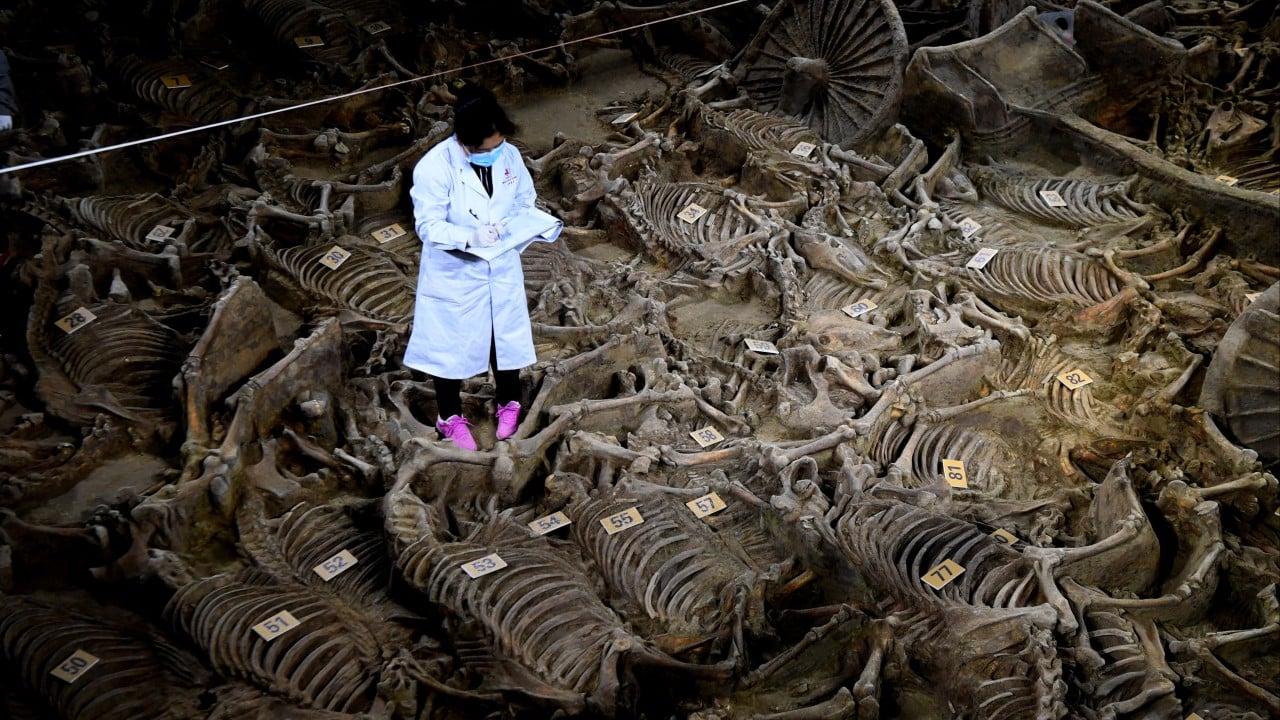
Historian A.J.P. Taylor's observation on the "state of nature" among European Great Powers, where violence was the only law, serves as a prelude to examining ancient China's conflicts. Taylor noted that sovereign states, a defining feature of European civilization since the late 15th century, have perpetually operated under such conditions. This historical perspective is now being applied to understand the dynamics of power and conflict within ancient China. The wars of this era are being analyzed to draw parallels and contrasts with modern international relations. The examination aims to explore whether ancient Chinese states pursued hegemony or sought a balance of power. By studying these historical conflicts, insights can be gained into enduring patterns of state behavior and the pursuit of security and influence. The lessons from these ancient wars may offer valuable perspectives on contemporary geopolitical challenges. The article suggests that understanding historical power struggles is crucial for navigating current international affairs. It implies that the fundamental nature of state interactions, whether in ancient China or modern Europe, shares common threads of competition and strategic maneuvering.
Examining ancient Chinese warfare through the lens of Hegemony versus balance of power provides a framework for deconstructing geopolitical strategies. This historical analysis can illuminate recurring patterns in statecraft, focusing on the incentives that drive expansionism or the maintenance of equilibrium. By abstracting from nationalist rhetoric, we can identify the systemic pressures and structural conditions that have historically shaped interstate relations. The enduring relevance of these ancient conflicts lies in their potential to offer insights into the fundamental logic of power dynamics, which may continue to influence global affairs in the coming decades. Understanding these historical precedents can foster a more nuanced appreciation of contemporary international relations, prompting critical thought about the long-term consequences of current policies.
AI-generated to prompt reflection — not editorial opinion, not advice, not a statement of fact. How this works.