Ancient City of Mohenjo-daro Thrived on Equality, Challenging Historical Norms
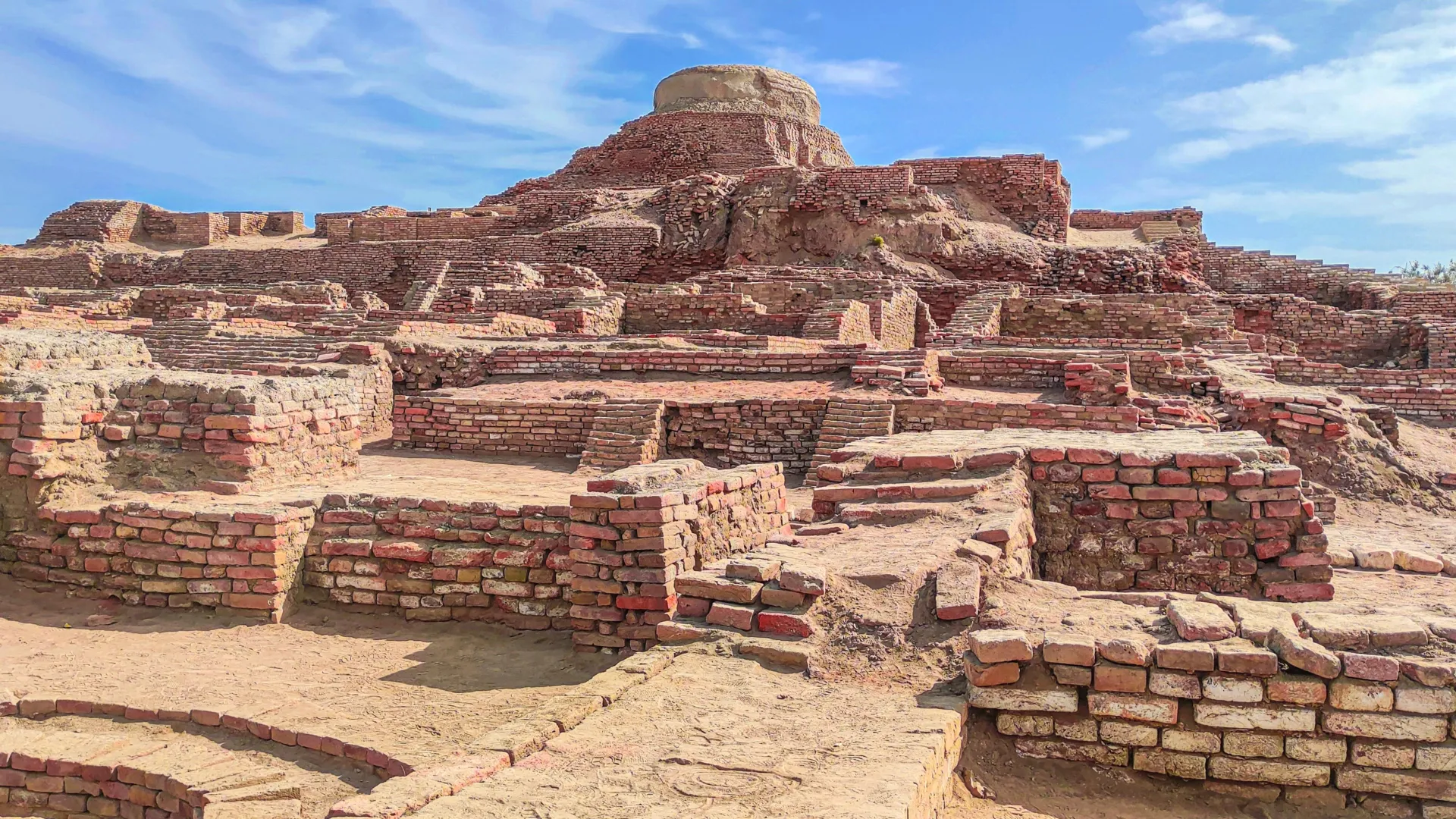
The ancient city of Mohenjo-daro, dating back 4,000 years, presents a unique case study that challenges conventional historical narratives about urban development and societal structure. Archaeological evidence suggests that as the city grew and prospered, the economic disparity between its wealthiest and poorest residents actually decreased. This phenomenon is attributed to the city's emphasis on shared infrastructure, equitable trade practices, and the apparent absence of a dominant ruling class or royal elite. The findings indicate that a societal commitment to equality may have been a significant factor in Mohenjo-daro's enduring success and stability.
The case of Mohenjo-daro offers a compelling counterpoint to historical models that often associate societal advancement with hierarchical structures and wealth concentration. The evidence suggests that equitable distribution of resources and infrastructure, coupled with a lack of centralized autocratic power, may foster long-term urban resilience and prosperity. This challenges the prevailing assumption that inequality is an inevitable byproduct or even a driver of complex societies. Future research could explore the specific governance mechanisms and economic policies that facilitated this egalitarian model, offering potential insights into alternative pathways for sustainable development in contemporary urban planning, particularly in the context of increasing global economic disparities and the need for inclusive growth.
AI-generated to prompt reflection — not editorial opinion, not advice, not a statement of fact. How this works.