Ancient DNA from Chilean Mummies Reveals Smallpox Origin in Americas
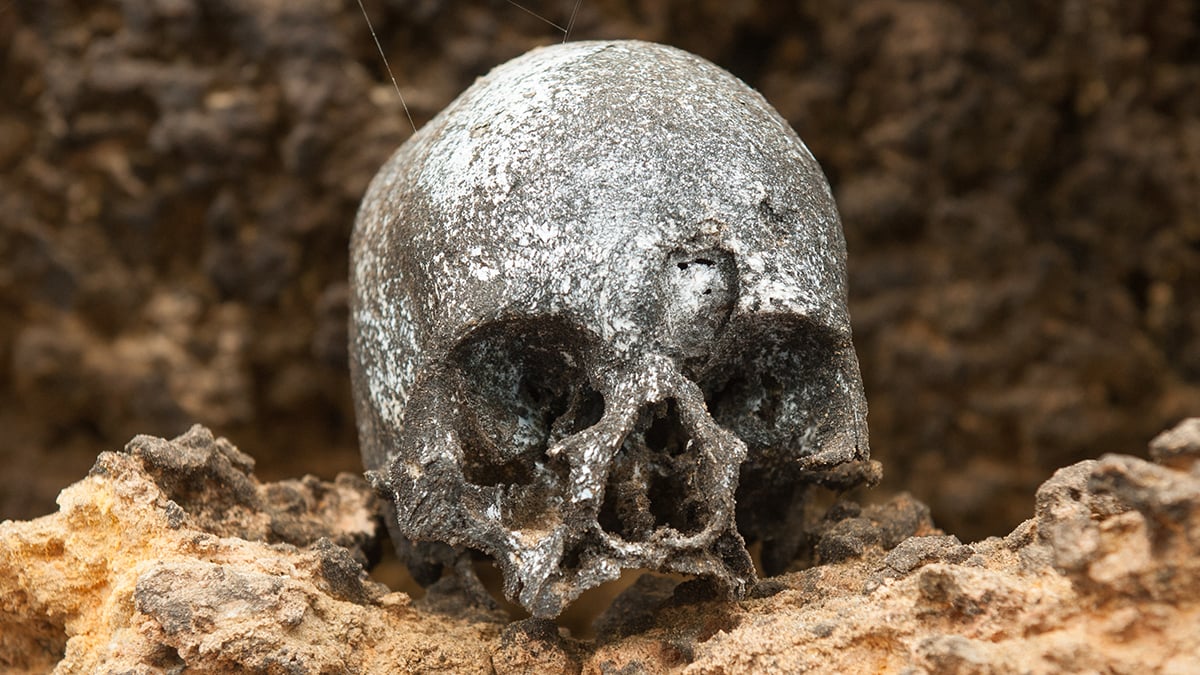
Ancient DNA extracted from Chilean mummies has provided definitive evidence regarding the introduction of smallpox to the Americas. This breakthrough resolves a long-standing question about the pathogen's origins and its arrival on the continent. The research utilized genetic material from mummified remains, allowing scientists to trace the lineage of the smallpox virus. This scientific advancement offers crucial insights into the history of infectious diseases and their impact on indigenous populations. The findings are expected to reshape our understanding of historical epidemics and their transmission routes. Further details on the specific mummies and the genetic analysis are anticipated to be published in a forthcoming scientific paper. This discovery marks a significant moment in paleovirology and the study of human history through genetic evidence.
The application of ancient DNA sequencing to historical samples offers a powerful lens for understanding the origins and spread of devastating pathogens like smallpox. This scientific methodology allows for objective reconstruction of historical events, moving beyond speculation or incomplete records. By analyzing genetic markers, researchers can trace the precise introduction points and evolutionary pathways of diseases, providing critical data for public health preparedness and historical scholarship. This approach highlights the potential for genomic science to resolve long-standing historical mysteries and inform future strategies against infectious threats.
AI-generated to prompt reflection — not editorial opinion, not advice, not a statement of fact. How this works.