Ancient DNA Uncovers Collapse and Replacement of Europe's Megalith Builders
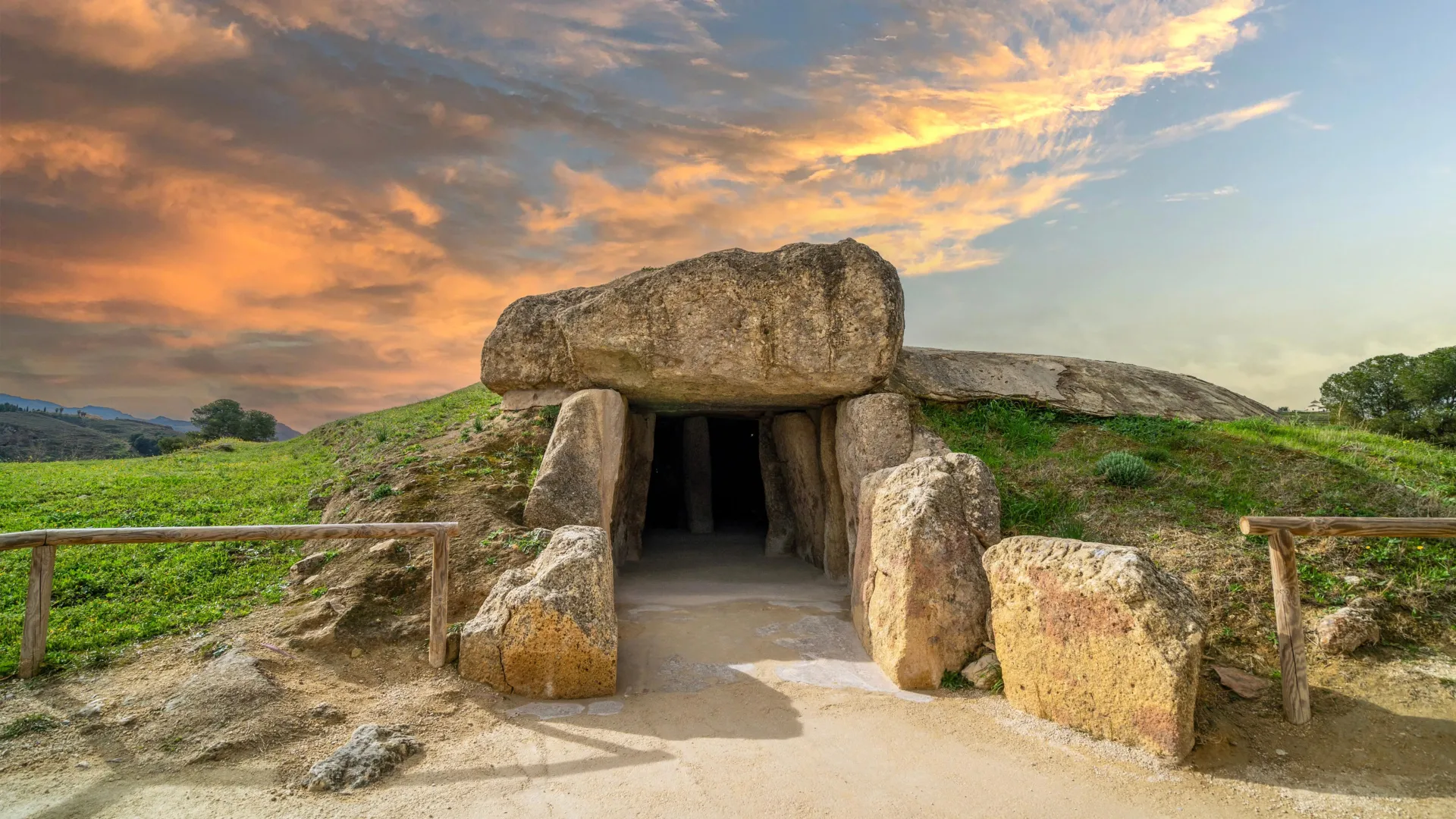
Analysis of DNA from a 5,000-year-old megalithic tomb in France has shed light on a significant population collapse and subsequent replacement of Europe's ancient monument builders. The genetic data revealed that individuals buried in the tomb before and after this collapse were entirely unrelated. This indicates a major migration event occurred, fundamentally altering the population structure. The timing of this genetic shift coincided with the emergence of new social traditions. Furthermore, the communities responsible for constructing Europe's impressive giant stone monuments vanished around the same period. This discovery suggests a profound societal transformation, where the original builders were replaced by a new group with different cultural practices.
The discovery of a genetic discontinuity among Europe's megalith builders, linked to a population collapse and subsequent migration, highlights the dynamic nature of prehistoric societies. This event underscores how technological or cultural achievements, such as monument construction, can be decoupled from the underlying population groups over time. The findings prompt consideration of the resilience of societies facing demographic crises and the potential for cultural and genetic exchange to reshape civilizations. Future research could explore the specific drivers of the collapse and the integration processes of the incoming populations, offering insights into long-term societal adaptation and transformation in the face of environmental or social pressures.
AI-generated to prompt reflection — not editorial opinion, not advice, not a statement of fact. How this works.