Ancient Egyptian Princesses Buried with Weapons, Suggesting Military Roles
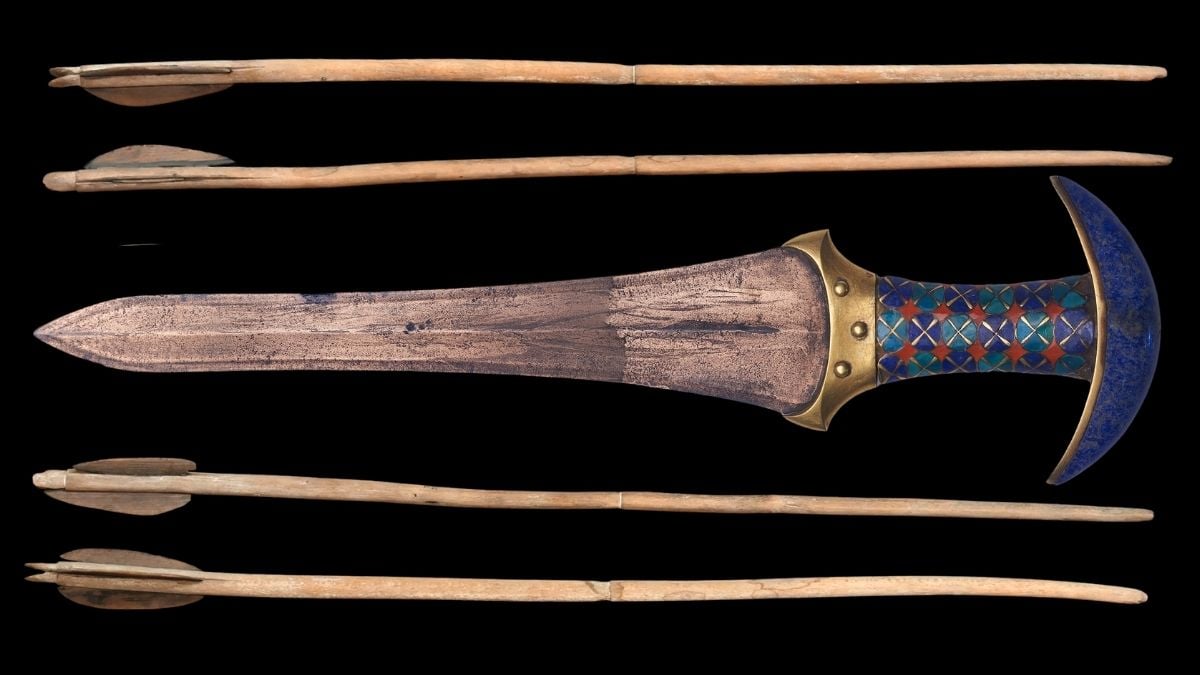
Newly uncovered evidence suggests that ancient Egyptian princesses may have been more involved in military affairs than previously understood. The discovery of princesses buried with weapons indicates a potential shift in historical interpretations of their roles within society. These findings challenge traditional views that often confined royal women to domestic or ceremonial duties. The presence of weapons signifies a possible connection to combat or leadership roles, prompting a re-evaluation of their societal contributions. Further research is needed to fully understand the implications of these burials and the extent of the princesses' involvement in military activities. The context of these burials, specifically the inclusion of weaponry, is a key area for ongoing investigation. This discovery opens new avenues for understanding the complex social structures and power dynamics of ancient Egypt. It highlights that historical narratives can evolve with new archaeological findings.
The discovery of ancient Egyptian princesses interred with weaponry prompts a re-examination of historical gender roles and power structures. This finding suggests that societal expectations and the practical functions of royal women may have been more diverse than commonly depicted. Analyzing the societal incentives that would lead to such burials, and the potential military or symbolic significance of the weapons, offers insight into governance and status in ancient Egypt. Considering these findings through a long-term lens, such as the evolution of military participation and leadership across different eras, can illuminate enduring patterns or shifts in societal norms regarding women's roles in defense and authority.
AI-generated to prompt reflection — not editorial opinion, not advice, not a statement of fact. How this works.