Ancient Egyptian Princesses May Have Used Weapons of War, Not Just Ceremonial Items
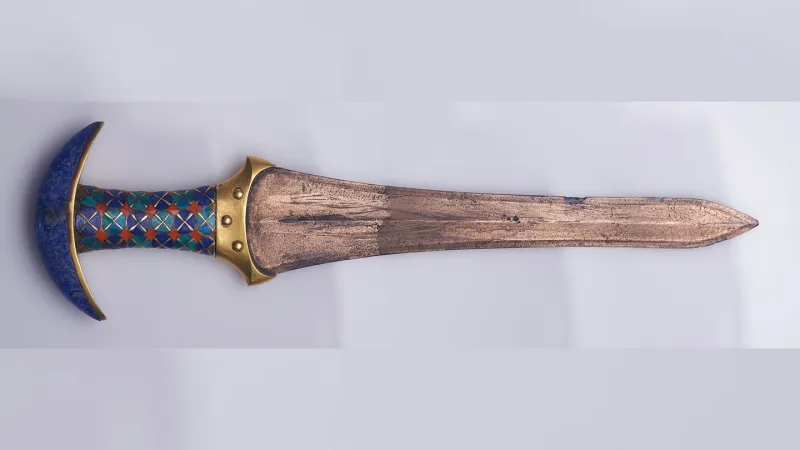
New analysis of six mummies from ancient Egypt suggests that bows and daggers found with some royal women were not solely ceremonial objects. This finding challenges long-held assumptions about the roles of women in ancient Egyptian society, particularly concerning their involvement in warfare or martial activities. The artifacts, including weapons, were buried with these princesses, indicating a potential significance beyond mere symbolic representation. Further research into the context of these burials and the specific nature of the weapons may shed more light on the lives and capabilities of these ancient Egyptian royal women. The study aims to re-evaluate the historical understanding of gender roles and military participation in one of history's most influential civilizations. This reinterpretation could lead to a broader understanding of power and agency among ancient Egyptian elites.
This discovery prompts a re-evaluation of historical narratives surrounding gender roles in ancient Egypt. The presence of weapons, previously dismissed as ceremonial, suggests a potential for female participation in martial contexts, challenging traditional interpretations of societal structure. Examining the incentive structures that might have led to such burials, whether for protection, status, or actual utility, is crucial. This opens avenues for considering the diverse forms of power and influence ancient women may have wielded, moving beyond purely domestic or religious roles. The implications for understanding ancient Egyptian governance and military organization, even at an elite level, warrant further investigation into the broader societal norms and the evolution of these practices over time.
AI-generated to prompt reflection — not editorial opinion, not advice, not a statement of fact. How this works.