Ancient Ferns Fueled Wildfires in Triassic Europe, New Fossil Evidence Suggests
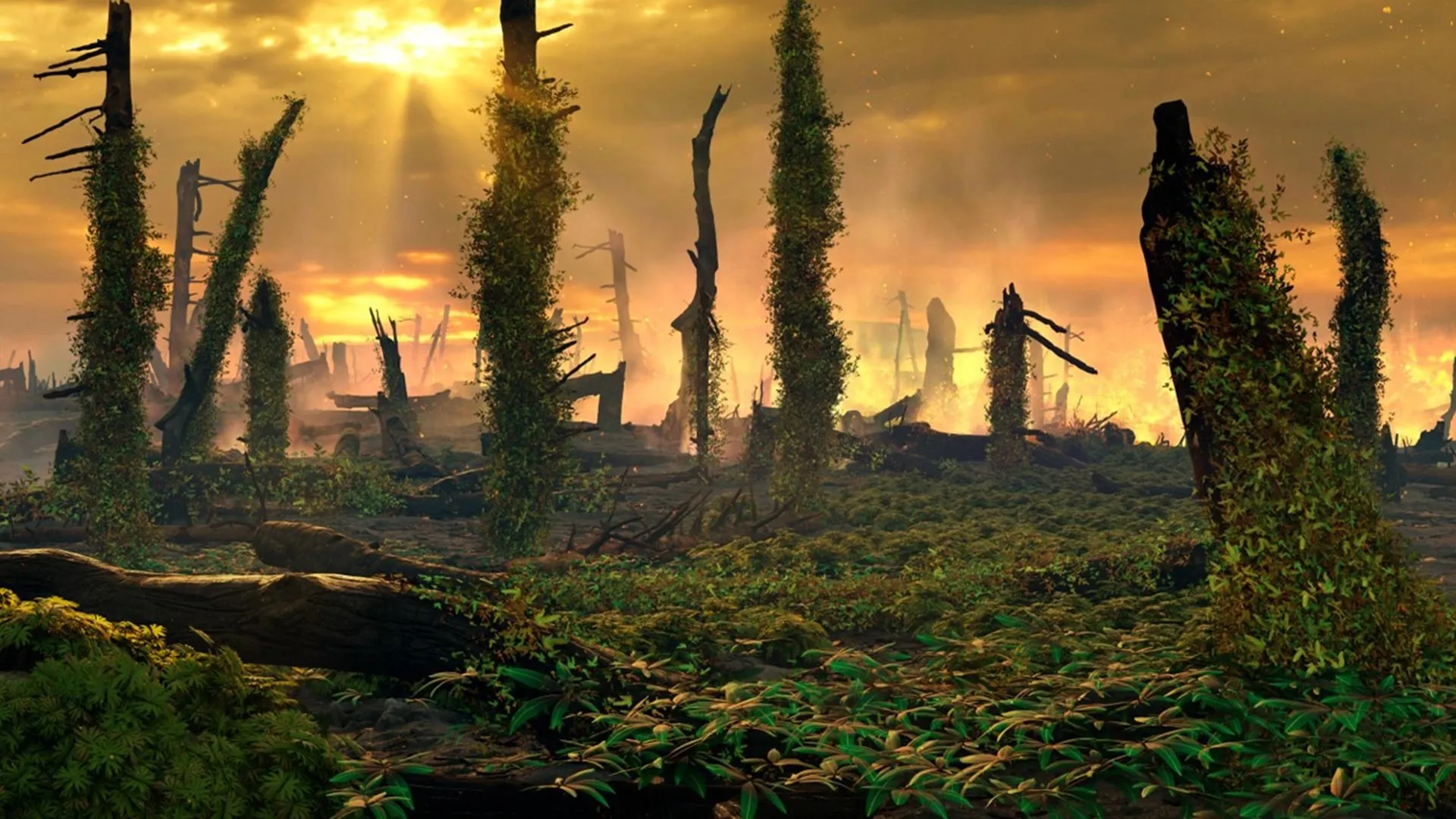
New fossil evidence indicates that ancient fern savannahs may have turned parts of Europe into a region prone to intense wildfires during the end-Triassic mass extinction event. These ferns exhibited a remarkable ability to regrow quickly after fires, which paradoxically created an abundance of fresh fuel. This continuous cycle of burning and regrowth likely exacerbated and prolonged the devastating infernos across the European landscape. The findings shed light on the complex ecological dynamics that contributed to one of Earth's major extinction periods. The research highlights how specific plant communities can significantly influence the frequency and intensity of natural disasters like wildfires.
The discovery of ancient ferns contributing to prolonged wildfire cycles in Triassic Europe offers a stark illustration of positive feedback loops in ecological systems. This phenomenon, where a plant's response to a disturbance (fire) exacerbates the disturbance itself, highlights the potential for rapid environmental shifts driven by vegetation dynamics. Understanding these historical ecological mechanisms is crucial for contemporary climate modeling, particularly as global temperatures rise and wildfire seasons intensify. It prompts consideration of how current vegetation management strategies might inadvertently create similar fuel-rich conditions, underscoring the need for adaptive, long-term ecological planning that accounts for species' regenerative behaviors and their impact on landscape-level fire regimes.
AI-generated to prompt reflection — not editorial opinion, not advice, not a statement of fact. How this works.