Ancient Human DNA Discovered on Cave Walls for the First Time
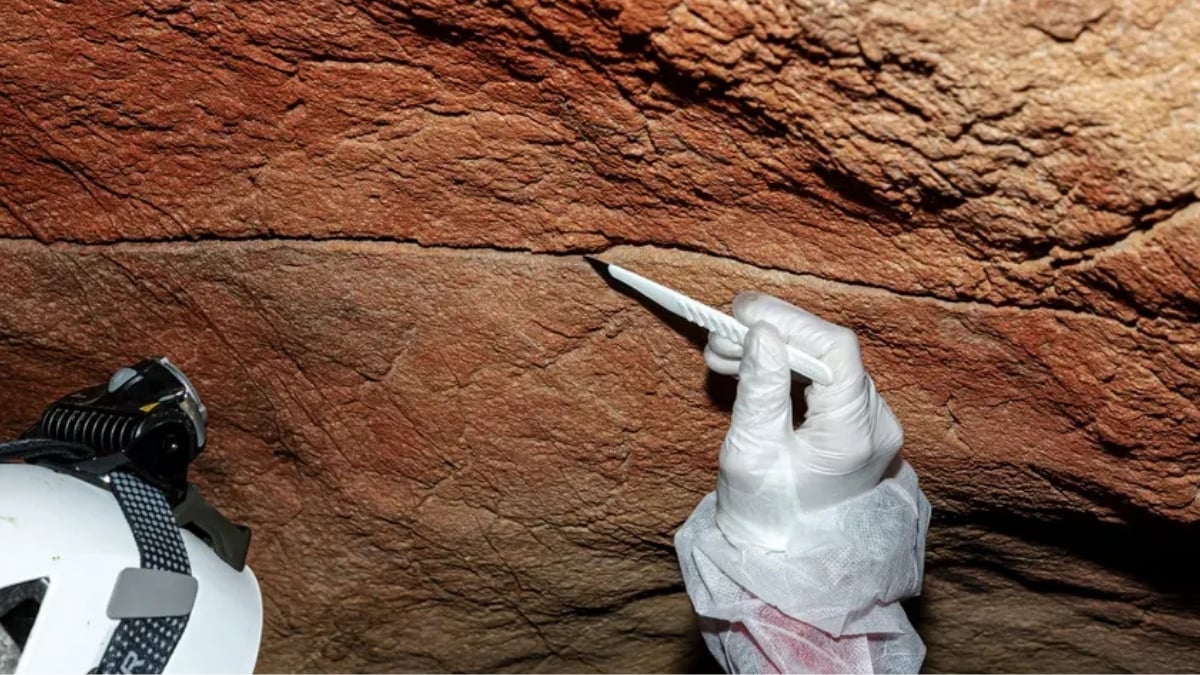
In a groundbreaking discovery, scientists have successfully identified ancient human DNA preserved on cave walls, marking a significant first in archaeological research. This unprecedented finding opens new avenues for understanding prehistoric human populations and their behaviors. The DNA was extracted from sediment samples collected within cave environments, demonstrating the potential of these locations as repositories of genetic material from our ancestors.
Researchers believe this method could revolutionize paleogenetics, offering a less invasive alternative to excavating ancient remains. The implications are vast, potentially allowing for the study of human migration patterns, population dynamics, and even the evolution of diseases over millennia. This initial success suggests that many more such discoveries await, promising a deeper and more comprehensive insight into human history.
The successful extraction of ancient human DNA from cave walls represents a significant advancement in paleogenetic research. This non-invasive technique could democratize access to genetic data from past populations, potentially overcoming limitations associated with the scarcity and fragility of skeletal remains. Future applications may involve mapping genetic diversity and migration routes with greater resolution. However, careful consideration must be given to the ethical implications of accessing and analyzing ancestral genetic material, ensuring responsible stewardship and community engagement as the technology evolves.
AI-generated to prompt reflection — not editorial opinion, not advice, not a statement of fact. How this works.