Ancient Human DNA Found on Cave Walls in Spain and Portugal
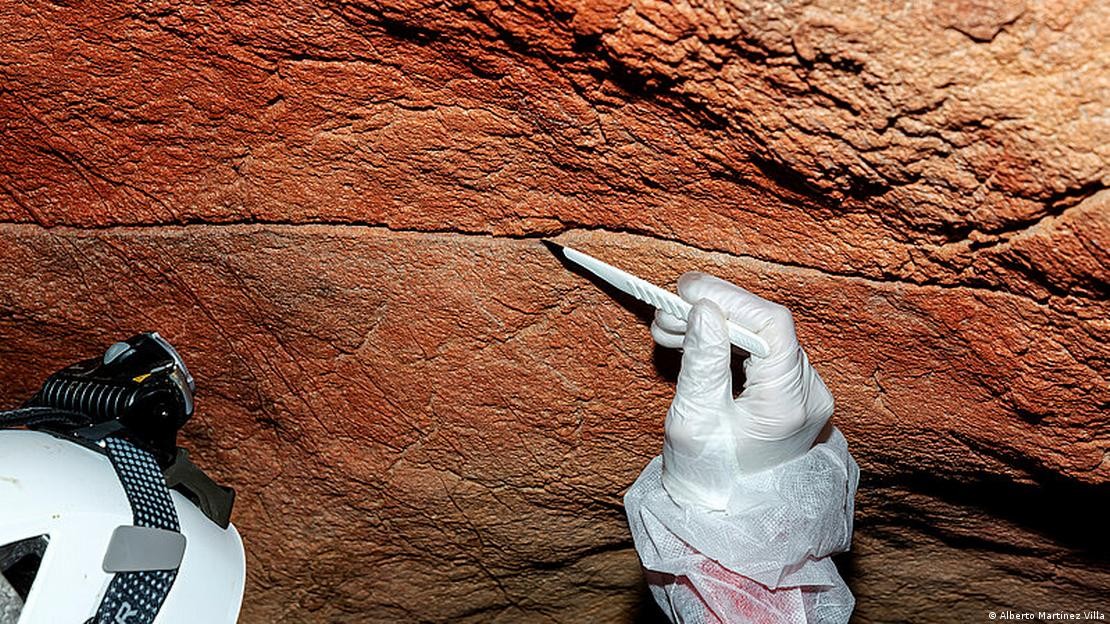
An international team of scientists has discovered human DNA dating back at least 2,000 years within cave art panels in Spain and Portugal. This groundbreaking finding, published in the journal Nature, suggests that rock surfaces can effectively preserve genetic material for millennia. The research originated from the FIRST ART project, initially focused on chemically dating ancient rock art in Spain's Maltravieso cave, one of Europe's oldest art sites. Researchers expanded their study to explore the potential of extracting ancient DNA directly from cave paintings, moving beyond traditional sources like bones and sediments.
This discovery highlights the potential of cave walls as novel archives for ancient human genetic information, complementing traditional archaeological methods. While the study establishes that human DNA can persist on painted surfaces for thousands of years, it prudently notes the inability to definitively link the recovered DNA to the artists themselves. Future research could explore whether specific cave environments or pigment compositions enhance DNA preservation, potentially refining minimally invasive techniques for understanding ancient human presence and activities in these sites.
AI-generated to prompt reflection — not editorial opinion, not advice, not a statement of fact. How this works.