Ancient Human DNA Recovered From Cave Walls for First Time
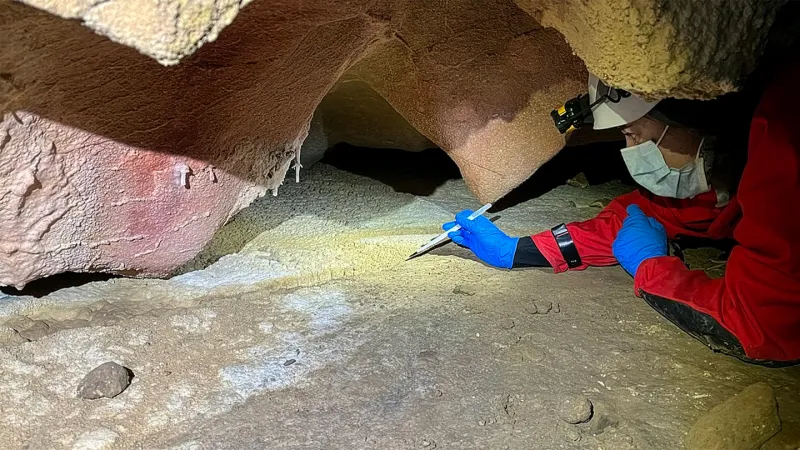
Scientists have successfully extracted ancient human DNA from cave walls, marking a significant breakthrough in archaeological research. This novel method, developed by researchers, involves analyzing the genetic material left behind by ancient humans within the cave environment. The DNA was found adhering to the surfaces of the cave walls, offering a new source of genetic information previously inaccessible.
This pioneering technique has the potential to revolutionize our understanding of prehistoric populations and their activities. By refining this method, scientists hope to establish direct links between ancient cave paintings and the individuals who created them. Such a connection could provide unprecedented insights into the lives, movements, and identities of early human artists, transforming our knowledge of prehistoric art and culture.
This development in DNA extraction from cave walls represents a significant advancement in archaeological methodology. By moving beyond traditional sources like bone or teeth, researchers are expanding the scope of genetic analysis to include environmental samples. This innovation could offer a more comprehensive understanding of ancient human presence and behavior, potentially resolving long-standing questions about the authorship of prehistoric art. The ability to link genetic material directly to artistic creations, if successfully implemented, would provide a powerful tool for reconstructing social networks and migration patterns of early humans, offering a more nuanced view of our ancestors' lives and cultural expressions.
AI-generated to prompt reflection — not editorial opinion, not advice, not a statement of fact. How this works.