Ancient Japanese Capitals Asuka and Fujiwara Designated World Heritage Sites
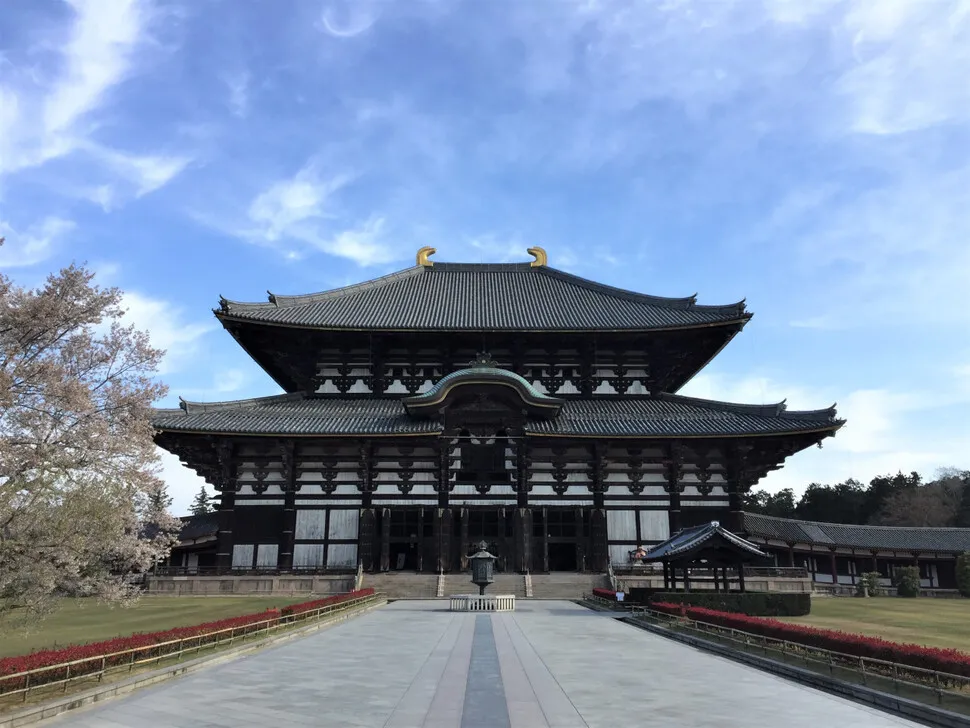
The ancient capitals of Asuka and Fujiwara in Japan have been officially designated as UNESCO World Heritage sites. This recognition highlights the significant historical and cultural value of these locations, which served as centers of Japanese civilization during antiquity. The designation is expected to bring substantial economic benefits to the surrounding regions.
Estimates suggest that the annual economic ripple effect from these World Heritage sites will reach approximately 63.6 billion Korean won. This figure is projected to be driven by increased tourism, local business development, and investment in cultural preservation and infrastructure. The Japanese government and local authorities are anticipated to implement measures to manage the influx of visitors and ensure the long-term sustainability of the heritage sites.
The inscription of Asuka and Fujiwara as UNESCO World Heritage sites underscores a global trend of recognizing historical urban planning and governance structures. This designation is likely to stimulate economic activity through heritage tourism, creating opportunities for local businesses and employment. However, it also presents challenges in balancing preservation efforts with the demands of increased visitor numbers, potentially impacting the authenticity and integrity of the sites. Future management strategies will need to address sustainable tourism models and community engagement to ensure long-term benefits while safeguarding the cultural legacy for subsequent generations.
AI-generated to prompt reflection — not editorial opinion, not advice, not a statement of fact. How this works.