Ancient Javanese humans faced childcare challenges, skull study suggests
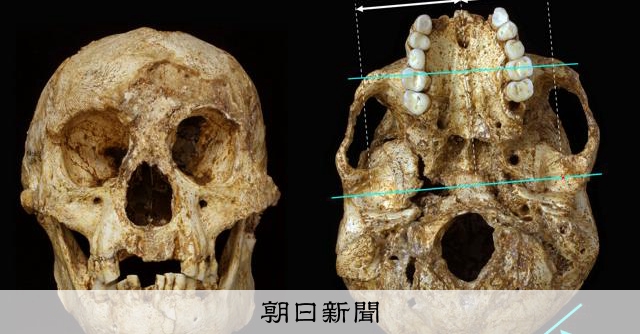
A recent study comparing over 1,500 fossilized skulls suggests that early humans, including Homo erectus (Javanese man), likely faced significant challenges in raising their young. The research, which analyzed a vast collection of ancient hominin skulls, aimed to understand the developmental stages and social behaviors of our ancestors. By examining cranial morphology and growth patterns, scientists inferred aspects of their life history, including parental investment and the duration of childhood dependency. The findings indicate that the demanding nature of childcare may have been a universal aspect of human evolution, even for our earliest ancestors. This perspective challenges the notion of a simpler prehistoric existence and highlights the enduring complexities of human reproduction and child-rearing across millennia. The study provides new insights into the social structures and evolutionary pressures that shaped early human societies.
This research offers a novel perspective on the evolutionary pressures faced by early hominins, framing childcare not as a modern concern but as a deeply ingrained aspect of human development. By analyzing skeletal remains, the study infers social behaviors, suggesting that the biological and resource demands of raising offspring were significant even in pre-Homo sapiens populations. This challenges simplistic views of early human life and underscores the long-term biological and social investments inherent in human reproduction. Understanding these ancient challenges could provide context for contemporary debates on parenting, societal support structures, and the biological underpinnings of human sociality in the context of evolving family dynamics.
AI-generated to prompt reflection — not editorial opinion, not advice, not a statement of fact. How this works.