Ancient One-Eyed Ancestor Linked to Evolution of Vertebrate Eyes
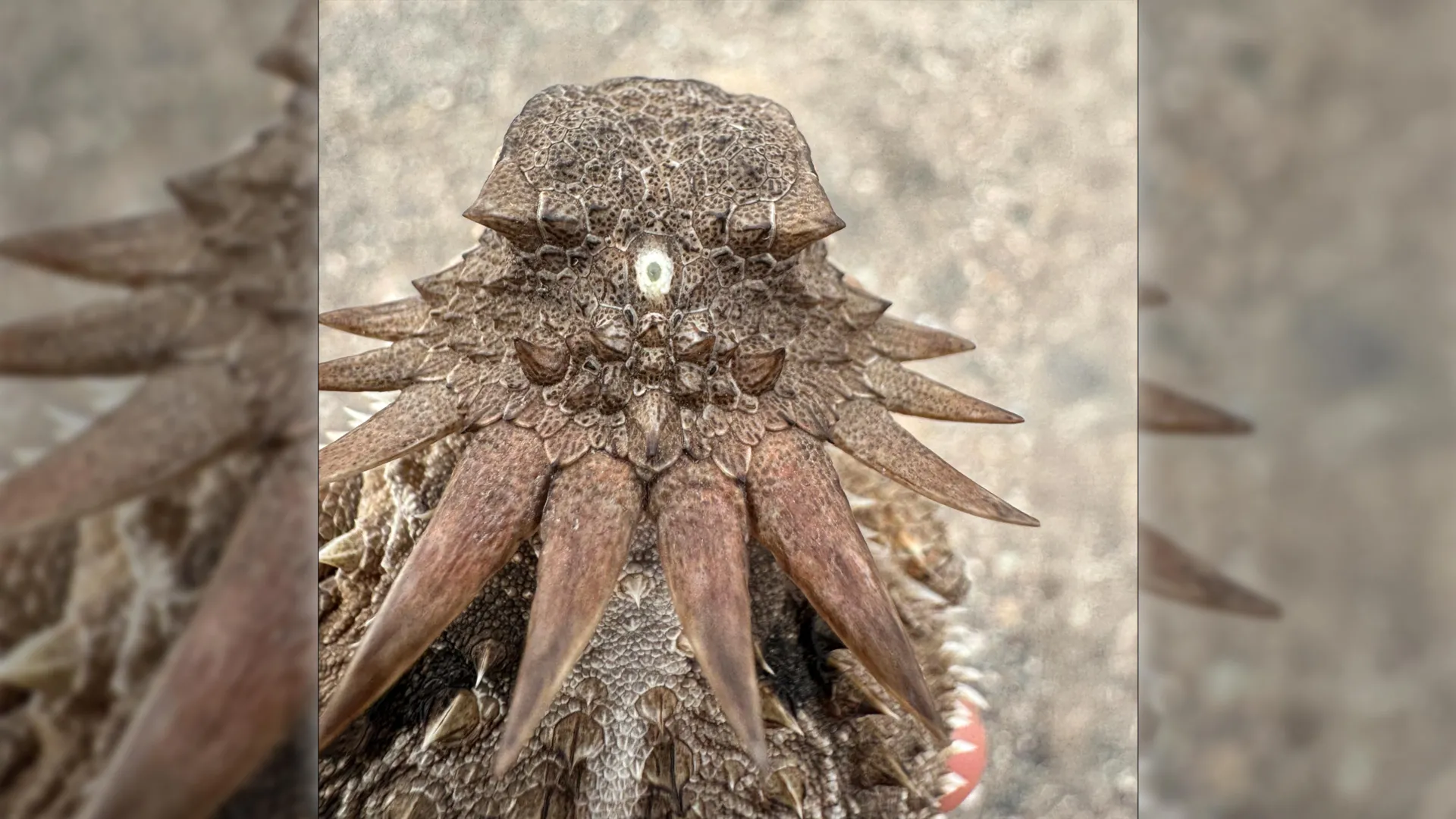
Scientists have identified a potential ancestor of all vertebrate eyes, a single-celled organism that lived approximately 600 million years ago. This ancient creature, characterized by a single eye, is believed to have played a crucial role in the evolutionary development of complex eyes found in vertebrates today, including humans. The research suggests that the ancient median eye of this ancestor has evolved into the pineal gland in modern vertebrates. The pineal gland is known for its function in regulating circadian rhythms, helping to synchronize the body's sleep-wake cycles with the natural patterns of daylight. This discovery provides significant insight into the deep evolutionary history of vision and its associated biological mechanisms.
This research highlights how fundamental biological structures can trace their origins to very ancient, seemingly simple organisms. The identification of a potential single-celled ancestor for the vertebrate eye, and the link to the pineal gland's role in circadian rhythm regulation, suggests a deep evolutionary conservation of light-sensing mechanisms. Understanding these ancient evolutionary pathways can inform current research into vision disorders and the impact of light exposure on human health, particularly in the context of modern lifestyles that often disrupt natural light cycles.
AI-generated to prompt reflection — not editorial opinion, not advice, not a statement of fact. How this works.