Ancient Pots Reveal 19th Century Brazilian Social Divide Through Diet
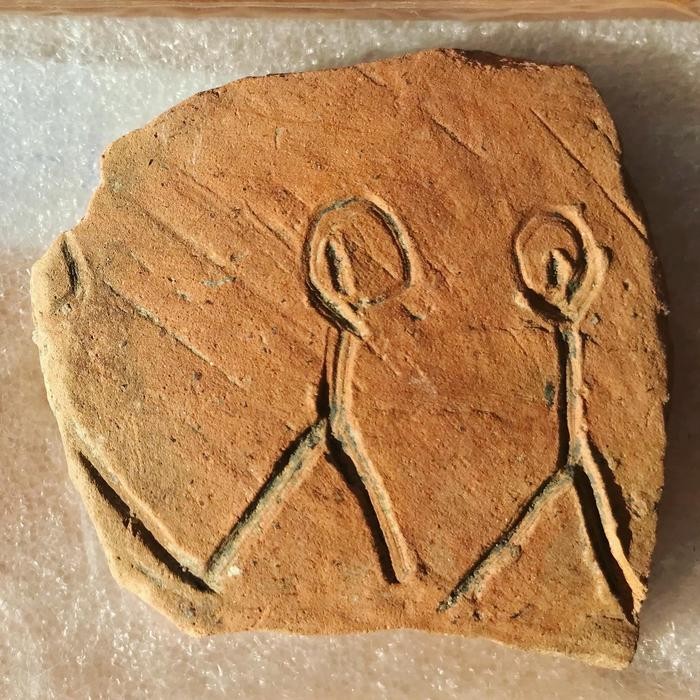
An archaeological study analyzing lipid residues in over 180 ceramic fragments from the late 19th and early 20th centuries has reconstructed the diets of various social groups in Brazil, highlighting significant inequalities. Researchers from ICTA-UAB examined pots used by indigenous, African, Luso-Brazilian, and German settler families in the Babitonga Bay region of Santa Catarina, now encompassing Joinville and São Francisco do Sul. The analysis of preserved fat molecules revealed that European colonists consumed meat, dairy, and cultivated plants from their own land. In stark contrast, indigenous and enslaved African communities primarily relied on fishing and other subsistence resources. This dietary disparity, the study suggests, reflects the unequal access to land and the formal market economy of the time. While Brazil possessed abundant natural resources and arable land, their benefits were not evenly distributed. The research employed advanced analytical techniques, including gas chromatography and carbon isotope analysis, to identify molecular signatures of different food sources, distinguishing between terrestrial animal fats, aquatic life, and plant oils. Although protein extraction proved more challenging due to degradation, trace amounts of fish and egg yolk were identified. The findings indicate that hand-made pots, often decorated in indigenous, African, and European styles, were used by communities with limited access to resources, who consequently relied on freely available coastal resources like fish and seafood. Families with land ownership or integration into the formal economy had access to livestock and crops, demonstrating that dietary choices were largely dictated by socioeconomic status rather than preference. The study, part of the ERC Tradition project, underscores how molecular archaeology can uncover historical narratives of social inequality that might be absent from written records.
This study utilizes molecular archaeology to provide a tangible, evidence-based perspective on historical social stratification in 19th-century Brazil. By analyzing preserved lipid residues in pottery, researchers have moved beyond textual accounts to reconstruct the material realities of daily life and consumption patterns. The findings illustrate how access to resources, particularly land, directly shaped dietary habits, creating a clear divide between land-owning or market-integrated populations and those reliant on subsistence resources. This dietary inequality serves as a proxy for broader socioeconomic disparities that likely persisted and evolved over time. Understanding these historical patterns of resource access and consumption can offer insights into the long-term structural determinants of contemporary food security and public health challenges, prompting reflection on how historical land distribution and economic integration continue to influence societal well-being.
AI-generated to prompt reflection — not editorial opinion, not advice, not a statement of fact. How this works.