Ancient Record Details Rare 418 CE Solar Eclipse Coinciding with Comet Sighting
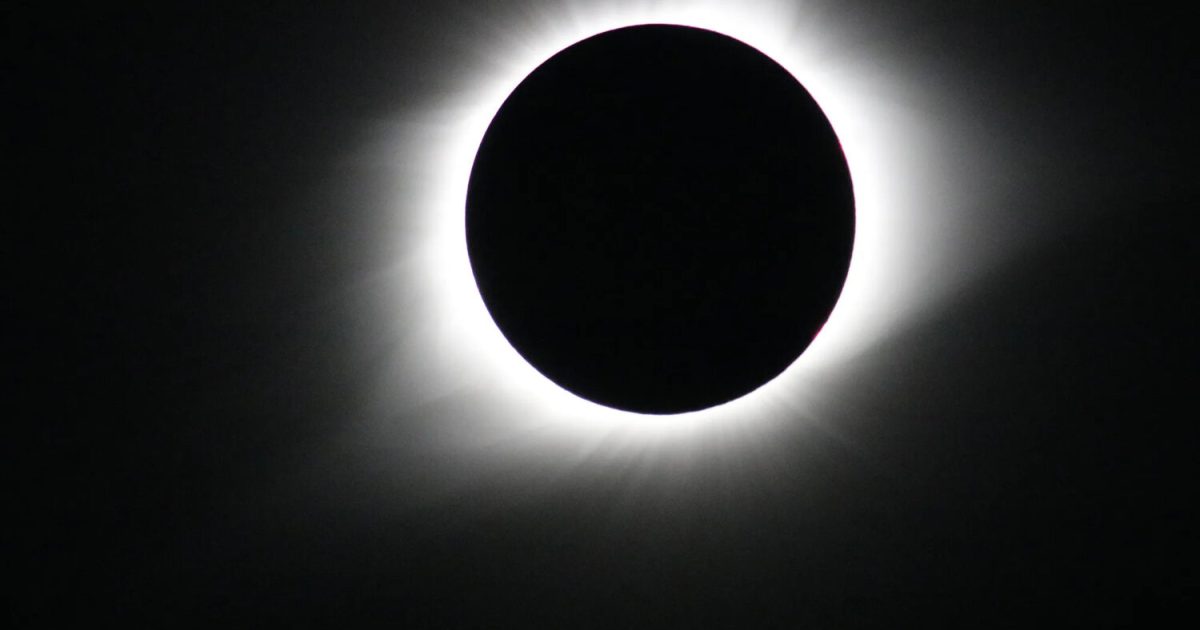
Historical records indicate that on July 19, 418 CE, a significant celestial event occurred: the first documented total solar eclipse during which a comet was also visible. This observation was noted by Philostorgius, a church historian originally from Turkey. In Book XII of his work, Epitome Historiae Ecclesiasticae, he described the phenomenon. Philostorgius wrote that around the eighth hour of the day, on July 19th, during the adolescence of Emperor Theodosius, the sun was entirely obscured. This rare conjunction of a total solar eclipse and a visible comet offers a unique glimpse into astronomical observations from late antiquity. The event provides valuable data for historical astronomy, allowing researchers to potentially correlate ancient descriptions with modern astronomical models. Such records are crucial for understanding the history of scientific observation and the development of celestial mechanics.
The historical account of the July 19, 418 CE solar eclipse and comet sighting highlights the continuity of human curiosity about celestial events across millennia. This record, preserved through the writings of Philostorgius, demonstrates early attempts to systematically observe and document astronomical phenomena. In the context of the developing AI era, such historical data underscores the long-term value of meticulous observation and record-keeping. Future AI-driven astronomical research may leverage these ancient records to refine models of celestial mechanics and potentially identify previously unknown astronomical events or patterns. The preservation and analysis of such historical observations are vital for a comprehensive understanding of cosmic history and our place within it.
AI-generated to prompt reflection — not editorial opinion, not advice, not a statement of fact. How this works.