Ancient Ritual of Tossing Coins into Water: A Cultural Echo in 'Mastul' Film
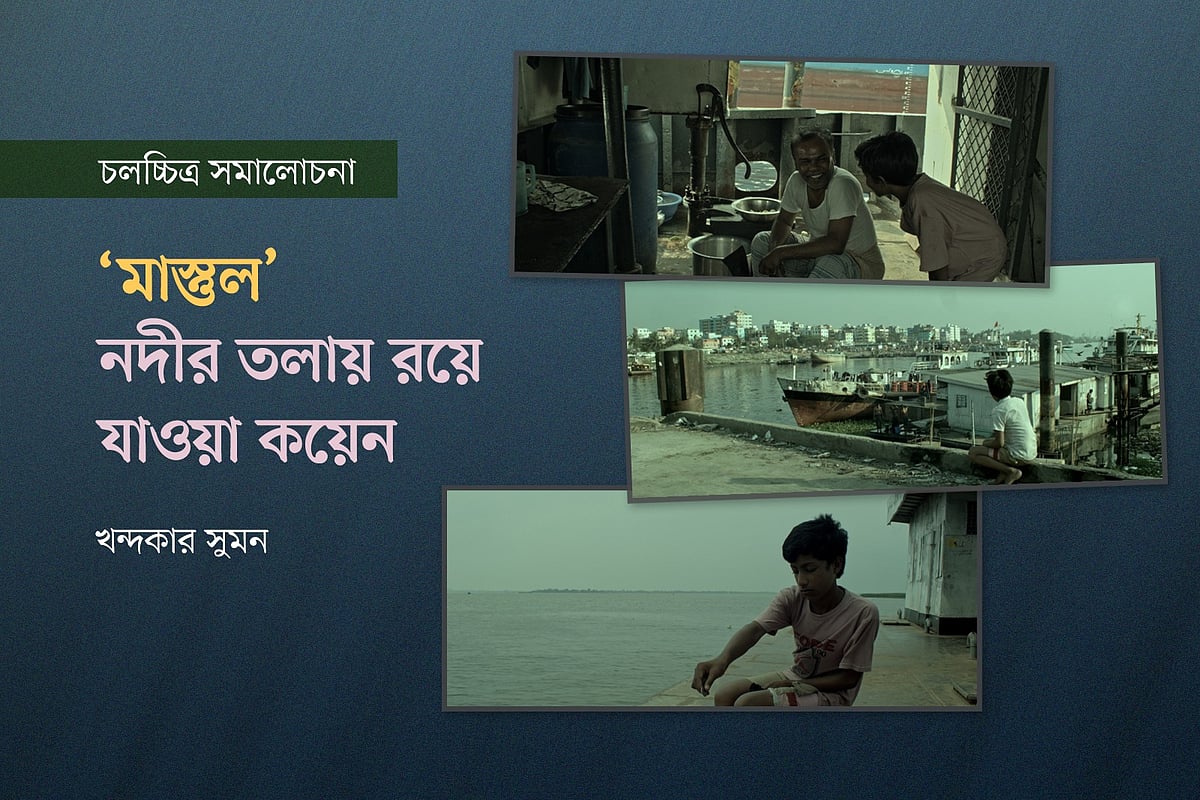
The film 'Mastul' features a poignant scene where an elderly cook, Mokbul, tosses coins into the river, one for each crew member, as a gesture of goodwill and well-wishing. This act prompts reflection on the ancient human practice of casting valuables into bodies of water, a tradition spanning millennia and diverse cultures. Historically, people offered items like weapons, jewelry, and food to rivers, lakes, and springs, not merely as accidental losses but as conscious tributes for safe journeys, victory, fertility, or gratitude towards unseen forces. Early civilizations, such as the Greeks, believed in water spirits and offered small metal items for blessings. The Romans further expanded this custom, leaving archaeological evidence of coin offerings in sacred wells and rivers across their empire. Modern traditions, like tossing coins into Rome's Trevi Fountain, trace their roots to these ancient water-offering rituals. In the Indian subcontinent, rivers like the Ganges and Yamuna are deeply intertwined with cultural memory and religious beliefs, sustaining the practice of offering metal coins. Even in Buddhist cultures, where no specific doctrine mandates such offerings, the custom has been adopted in countries like Sri Lanka and Thailand, symbolizing good fortune and merit within the framework of ancient water-offering rites. The film 'Mastul' uses this recurring motif to explore themes of compassion and universal goodwill, highlighting how Mokbul's silent, non-retaliatory demeanor and his act of offering blessings to all, even those who wronged him, transmit a profound moral legacy to a young orphan named Nura. This transmission of ethical values, rather than material wealth, forms the core of the film's narrative, suggesting that the human desire for well-being endures across time and cultural shifts.
The practice of tossing coins into water bodies, as depicted in the film 'Mastul,' represents a deeply ingrained human behavior rooted in ancient beliefs about appeasing natural forces and seeking good fortune. While modern interpretations may focus on personal wishes or symbolic gestures, the historical context reveals a complex interplay of fear, reverence, and gratitude towards the life-giving yet often destructive power of water. The film's portrayal of this ritual, particularly through the character Mokbul's act of universal blessing, transcends mere superstition, suggesting a transmission of ethical values and a desire for collective well-being. Analyzing this through a future-oriented lens, such enduring rituals highlight humanity's ongoing search for meaning and connection in a world increasingly shaped by technology. They may evolve, but the underlying human need for symbolic acts that foster community and hope is likely to persist, offering a counterpoint to the atomizing effects of digital life and prompting reflection on how shared cultural practices can reinforce social cohesion and ethical frameworks.
AI-generated to prompt reflection — not editorial opinion, not advice, not a statement of fact. How this works.