Ancient River Pilgrimage in Brazil Marks 200-Year-Old Divine Festival
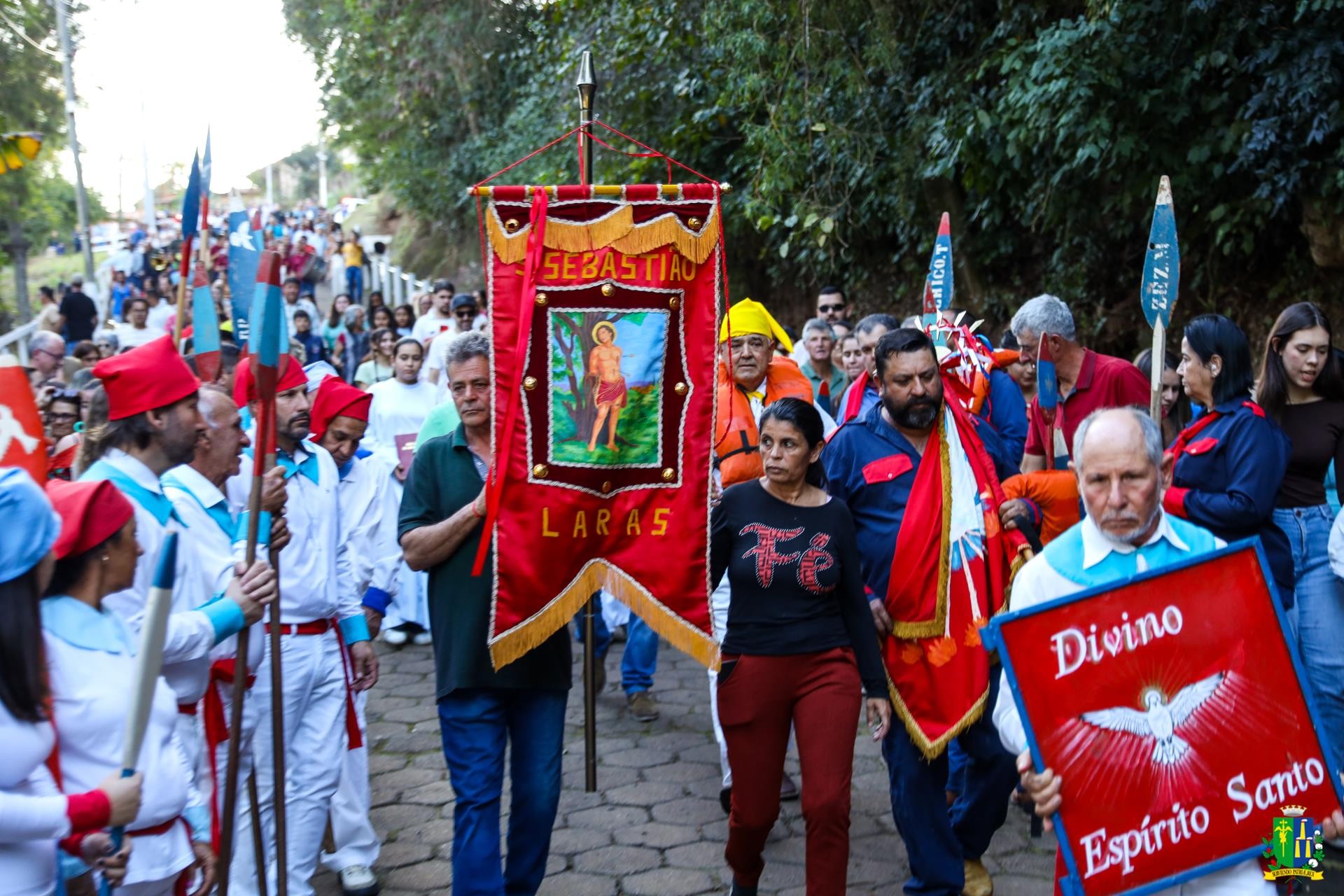
The Festa do Divino Espírito Santo, a tradition spanning over 200 years in Laranjal Paulista, São Paulo, Brazil, culminates this Saturday, May 25th, with festivities in the Laras district. This unique celebration blends faith, history, and culture through a traditional canoe pilgrimage along the Tietê River. According to Fábio de Camargo, a 49-year-old participant and member of the brotherhood, the festival originated around 1800 following a severe yellow fever outbreak in Laras, then a riverside village. During that devastating epidemic, when medical access was scarce and the disease spread rapidly, a local resident made a vow to the Divine Holy Spirit. She promised to carry the saint's image among the riverside communities if the epidemic ceased. After her prayer was answered, a group of men began the first river journeys, carrying blessings to the inhabitants. This promise evolved into the annual canoe pilgrimages, fostering devotion that eventually led to the formation of a brotherhood. To accommodate more members, they constructed a larger boat from two large trees, capable of holding 30 to 40 men. The procession, which began in the Laras district with two canoes, follows a route along the river and land before returning for the closing celebration. The tradition experienced an interruption in the 1830s when, with the decline of yellow fever cases, devotees felt the vow was fulfilled. However, the disease resurged intensely in 1832-1833, prompting the re-establishment of the pilgrimage and the formalization of the brotherhood with a board and rituals. The "Viagem do Rio" (River Journey) commences about 30 days before the main festival, visiting approximately 800 homes over 20 days across Laranjal Paulista, Piracicaba, Saltinho, Conchas, and Pereiras. Devotees rely on the solidarity of visited communities for rest, lodging, and meals, which are prepared with traditional rituals including blessings, songs, and prayers before sharing. Meals often consist of ancient recipes cooked over open fires, featuring rice, beans, cassava soup, ground meat, and salad, served in a traditional manner. The pilgrimage also demands significant knowledge of the Tietê River's conditions, with accumulated generational experience aiding the group in navigating its currents. A particularly symbolic event is the "procissão dos amortalhados" (procession of the shrouded), where individuals fulfill vows by lying down wrapped in sheets, mimicking the burial practice during the yellow fever epidemic, as the image of the Divine passes over them, signifying a spiritual rebirth. The two canoes, one carrying the Divine Holy Spirit flag and the other São Sebastião, meet on the river for fireworks, the procession of the shrouded, flag raising, a mass, and the transport of the Divine to the festival house. For Camargo, who has participated since he was one year old, the tradition embodies the union of faith, history, and the preservation of riverside culture, a legacy passed down from his grandfather.
This festival highlights the enduring power of collective memory and ritual in preserving cultural identity and community bonds, particularly in regions with a history of hardship. The practice of the "procissão dos amortalhados" offers a unique lens into how communities process past traumas, transforming symbols of death and suffering into expressions of hope and renewal. The reliance on community solidarity for sustenance and lodging underscores the importance of social capital in maintaining such traditions. Looking ahead, the festival's continued relevance may depend on its ability to adapt to changing demographics and environmental conditions of the Tietê River, while also potentially serving as a model for other communities seeking to revitalize historical practices in the digital age.
AI-generated to prompt reflection — not editorial opinion, not advice, not a statement of fact. How this works.