Ancient Roman Concrete Gains Strength Over Time, New Study Reveals
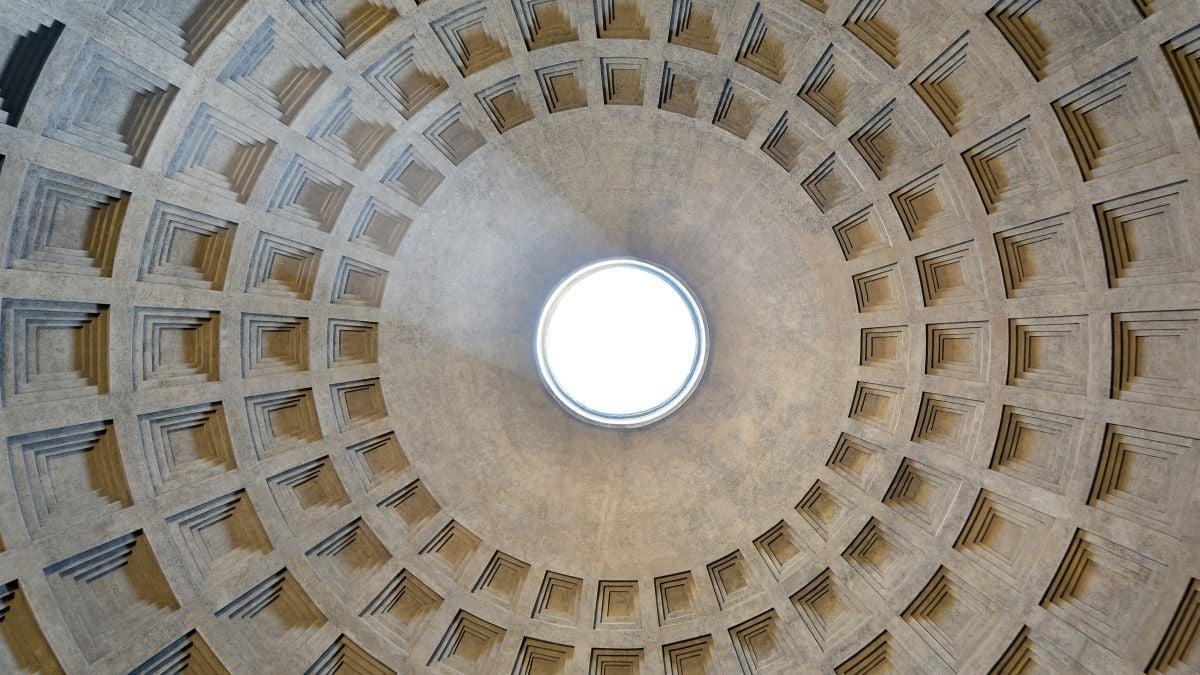
A recent study has uncovered new insights into why ancient Roman concrete possesses a unique ability to strengthen over centuries, a characteristic that has long puzzled researchers. Unlike modern concrete, which degrades over time, Roman concrete appears to self-heal and become more robust with age. Scientists have traditionally attributed this durability to the use of volcanic ash in the mix, which reacts with lime to form calcium-aluminum-silicate-hydrate (C-A-S-H) compounds. However, this new research suggests a more complex mechanism is at play. The study focused on analyzing samples of Roman concrete, specifically looking at the presence of lime clasts – small, white chunks of quicklime – within the material. When cracks form in the concrete, water can enter and react with these lime clasts, creating a calcium-rich solution. This solution then precipitates calcium carbonate, effectively filling the cracks and binding the material back together. This process, known as 'self-healing,' allows the concrete to repair itself and potentially gain further strength. The findings challenge previous assumptions and offer a deeper understanding of the innovative material science employed by ancient Roman engineers. This discovery could have significant implications for developing more sustainable and durable construction materials in the future.
The enduring strength of Roman concrete highlights a significant divergence in material science approaches between ancient and modern construction. While contemporary methods often prioritize rapid curing and immediate load-bearing capacity, potentially at the expense of long-term resilience and self-repair, Roman techniques appear to have embraced a slower, more adaptive process. This ancient material's ability to self-heal and gain strength over time suggests a potential paradigm shift for 21st-century engineering, particularly in an era increasingly focused on sustainability and circular economy principles. Exploring the underlying chemical and physical mechanisms could inform the development of next-generation materials that not only last longer but also reduce the lifecycle environmental impact of infrastructure.
AI-generated to prompt reflection — not editorial opinion, not advice, not a statement of fact. How this works.