Ancient Roman Roads Built with Three Simple Tools
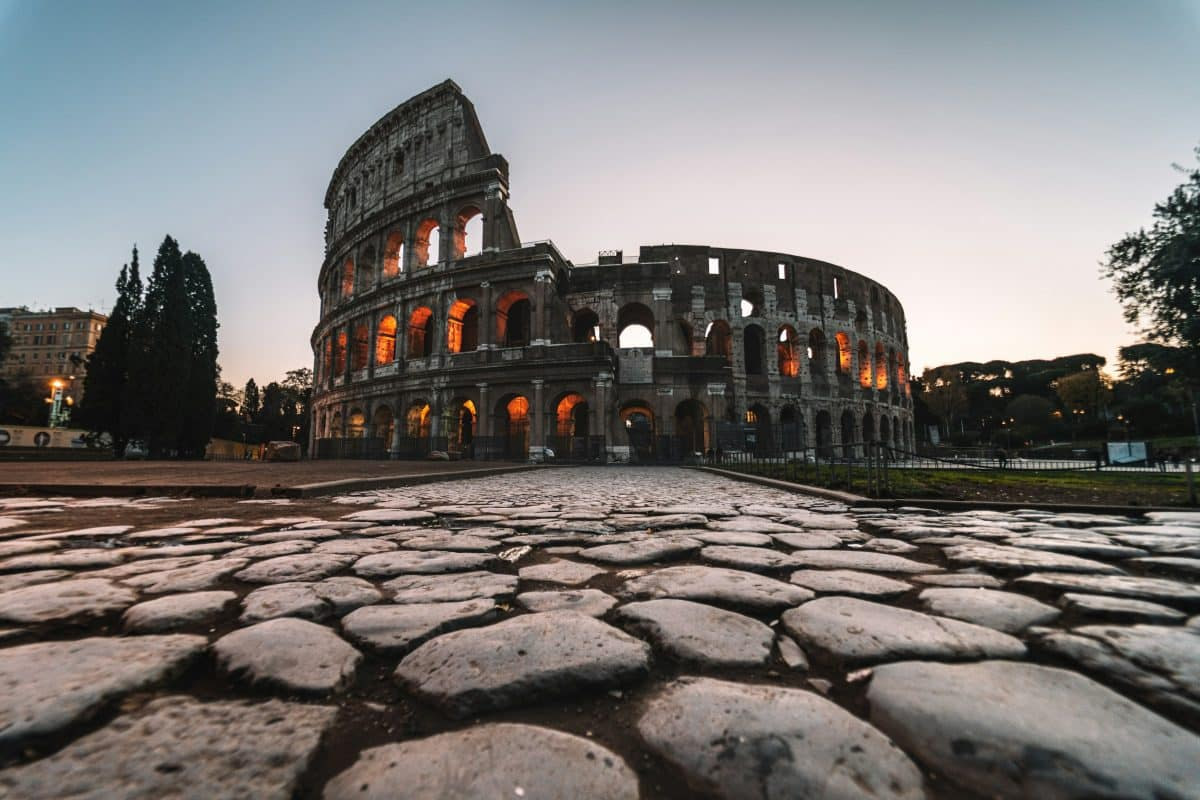
Ancient Roman engineers constructed an extensive road network spanning thousands of kilometers across Europe, North Africa, and the Middle East. Remarkably, some of these roads have maintained their near-perfect straight alignment for over two thousand years. Historians attribute this enduring legacy to the use of specialized geodetic instruments and precise measurement techniques employed by Roman builders. These methods ensured the roads' longevity and functionality, facilitating the vast empire's communication and military movements. The construction likely involved careful planning and execution, utilizing simple yet effective tools to achieve such remarkable durability. The enduring presence of these ancient routes serves as a testament to the advanced engineering capabilities of the Roman civilization.
The construction of ancient Roman roads with rudimentary tools highlights the power of systematic engineering and precise measurement in achieving long-term infrastructure resilience. This historical example prompts reflection on contemporary infrastructure projects, questioning whether current methodologies prioritize durability and longevity as effectively. The Roman approach suggests that sophisticated outcomes are not solely dependent on advanced technology but also on meticulous planning, skilled execution, and a deep understanding of materials and environmental factors. Examining the efficiency and effectiveness of Roman engineering practices could offer valuable insights for modern civil engineering, particularly in contexts where resource constraints or environmental sustainability are paramount considerations for future development.
AI-generated to prompt reflection — not editorial opinion, not advice, not a statement of fact. How this works.