Ancient Tombs and Byzantine Village Unearthed in Egypt
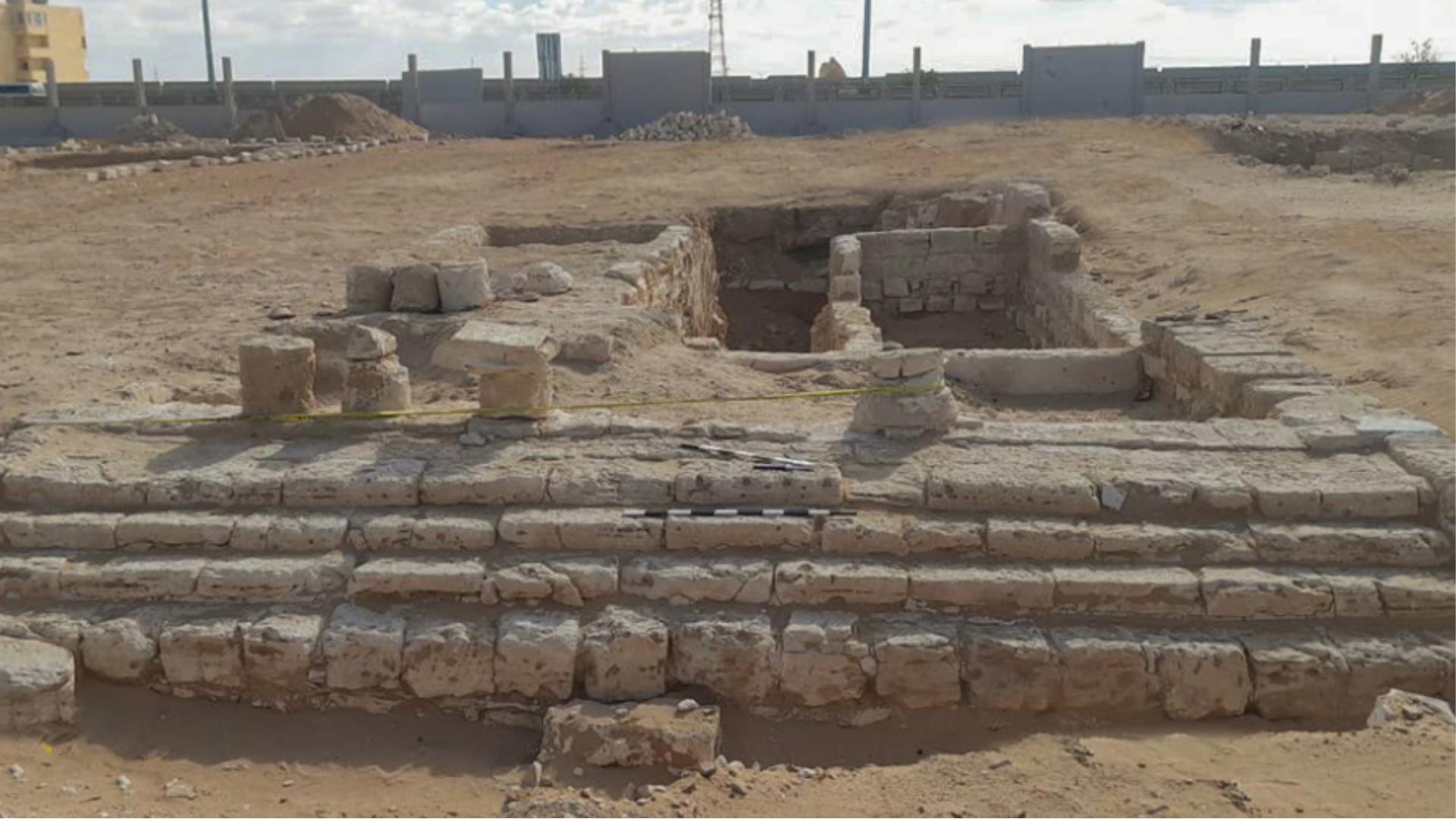
Archaeologists have made significant discoveries at the Marina El-Alamein archaeological site, located approximately 100 kilometers west of Alexandria, Egypt. The research team uncovered 18 Greco-Roman burial sites, dating back approximately 2,000 years. In addition to these ancient tombs, the excavation also revealed the ruins of a Byzantine-era village. This village, found at Aïn al-Sabil, is believed to date from the 4th century AD. The findings offer valuable insights into the historical layers of the region, spanning from the Greco-Roman period to the Byzantine era.
The discovery of both Greco-Roman tombs and a Byzantine village highlights the continuous habitation and cultural evolution of the region around Alexandria over centuries. Such findings underscore the importance of archaeological preservation in understanding the complex historical narratives of human settlement. Future research may focus on the interaction between these distinct cultural periods and the specific socio-economic factors that led to the development and eventual abandonment of the Byzantine settlement. This excavation contributes to a broader understanding of ancient trade routes and cultural exchange in the Mediterranean.
AI-generated to prompt reflection — not editorial opinion, not advice, not a statement of fact. How this works.