Ancient World Likely Hosted Tens of Thousands of Languages, Study Suggests
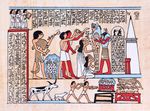
A new study estimates that approximately 2,000 years ago, the world may have been home to tens of thousands of languages. This contrasts sharply with the current linguistic landscape, which features around 7,500 languages. The research, which calculated this figure, has also encountered significant disagreement from other experts. The findings suggest a much higher linguistic diversity in antiquity than previously understood. While the exact number is a subject of debate, the study posits a substantial increase in language extinction over the past two millennia. This implies a significant shift in human communication patterns and cultural evolution. The study's methodology and conclusions are currently being scrutinized by the broader academic community. Further research may be needed to reconcile these differing perspectives on historical language distribution.
This study challenges conventional understanding of historical linguistic diversity, suggesting a far greater number of languages existed in antiquity than previously estimated. The significant decline to approximately 7,500 languages today highlights the profound impact of globalization, cultural assimilation, and technological advancements on language preservation over the past two millennia. Examining the drivers behind this linguistic attrition—such as the rise of dominant empires, trade routes, and later, mass media—offers insights into the systemic forces that shape human communication. Understanding these historical patterns is crucial for contemporary efforts in language revitalization and for appreciating the complex interplay between societal development and cultural heritage in the coming AI era.
AI-generated to prompt reflection — not editorial opinion, not advice, not a statement of fact. How this works.