Andean Mouse Holds Genetic Secrets to Surviving Extreme Altitudes
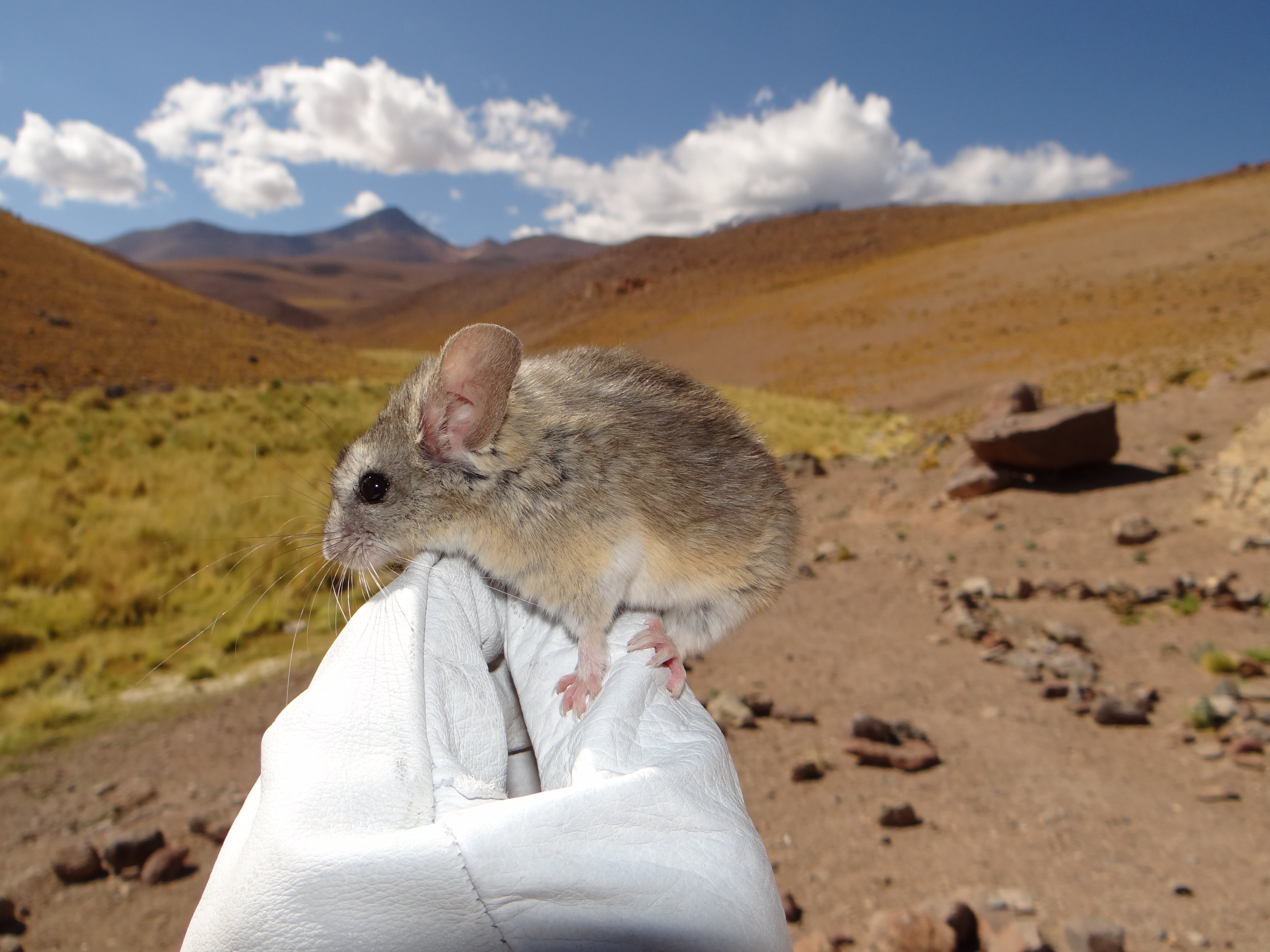
A recent study has delved into the genetic and metabolic mechanisms that enable South American long-eared mice to thrive at altitudes exceeding 6,000 meters (approximately 19,685 feet). These remarkable mammals, native to the Andes Mountains, possess unique adaptations that allow them to survive in one of the planet's harshest environments. The research aims to reconstruct the biological pathways that are crucial for their survival at such extreme elevations. Understanding these adaptations could offer insights into how other organisms, including humans, might cope with low-oxygen conditions. The study highlights the extraordinary resilience of life in high-altitude ecosystems. It focuses on the specific genetic makeup and metabolic processes that differentiate these mice from lowland species. This research contributes to our broader understanding of evolutionary biology and adaptation. The findings could have implications for fields ranging from medicine to astrobiology.
This research into the Andean long-eared mouse's genetic and metabolic adaptations to extreme altitudes presents a fascinating case study in evolutionary resilience. By identifying the biological mechanisms enabling survival above 6,000 meters, the study offers a scientific lens through which to view the challenges of high-oxygen environments. Understanding these adaptations could inform future strategies for human health in low-oxygen conditions, such as assisting individuals with respiratory ailments or even supporting long-duration space travel. The research underscores the potential for biological systems to overcome seemingly insurmountable environmental pressures, prompting consideration of how similar principles might be applied to other biological or technological challenges in the coming decade.
AI-generated to prompt reflection — not editorial opinion, not advice, not a statement of fact. How this works.