Andrea Pirlo Denies False Intentions After Being Passed Over for Italy Coaching Job
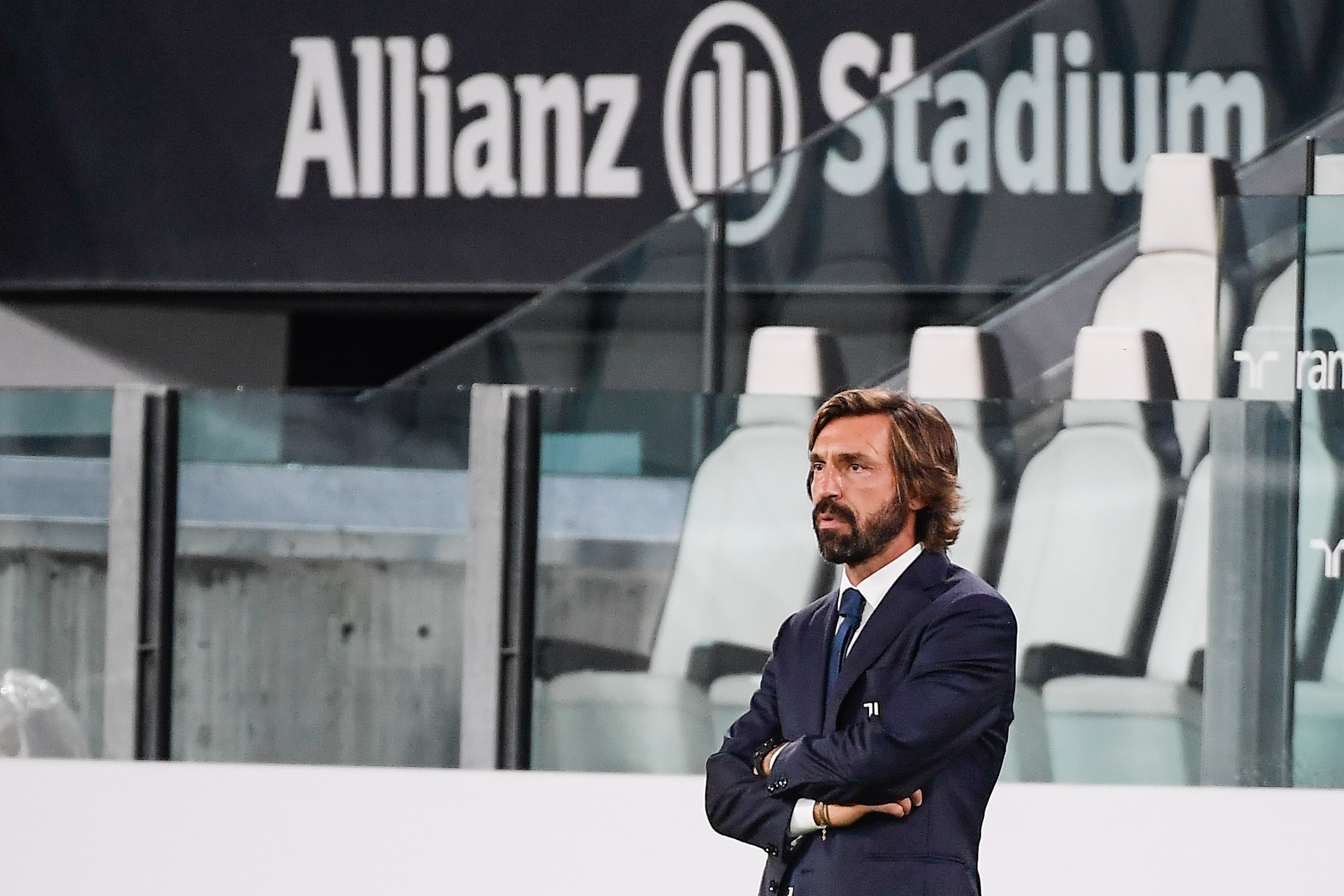
World Cup winner Andrea Pirlo has broken his silence after being overlooked for the role of managing the Italian national football team. The former Juventus midfielder, who was part of the Azzurri squad that won the 2006 World Cup, was reportedly not considered for the coaching position by the Italian Football Federation. Pirlo stated that he has been misrepresented, asserting that certain attributed intentions and ideas do not align with his true personality. He expressed his disappointment and confusion regarding the public perception of his aspirations and suitability for the role. The federation's decision has led to speculation about the criteria used for selecting the new coach. Pirlo's comments aim to clarify his position and distance himself from any mischaracterizations that may have influenced the decision-making process. The situation highlights the competitive and often opaque nature of high-profile coaching appointments in international football.
The situation surrounding Andrea Pirlo's potential appointment to manage the Italian national team underscores the complex dynamics of sports governance and public perception. While Pirlo asserts his personal intentions were misrepresented, this situation may reflect broader challenges within the Italian Football Federation regarding succession planning and candidate evaluation. The federation's decision, regardless of the specific reasons, highlights the tension between established footballing legacies and the perceived need for different leadership styles or strategic directions. Moving forward, clearer communication protocols and transparent selection criteria could mitigate such public discrepancies and foster greater trust between stakeholders and the public. This event also prompts consideration of how past player status influences future coaching opportunities in the evolving landscape of professional football.
AI-generated to prompt reflection — not editorial opinion, not advice, not a statement of fact. How this works.