Andrew and Tristan Tate arrested in Miami pending UK extradition
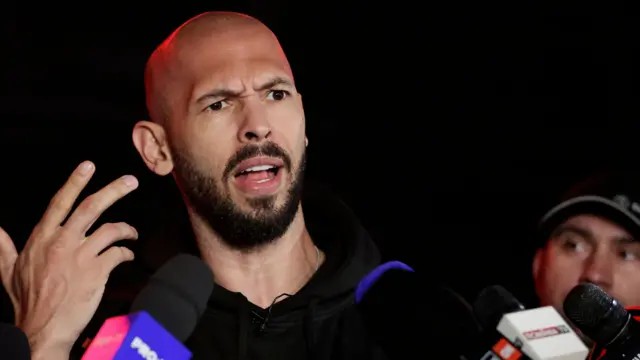
Influencers Andrew and Tristan Tate were arrested by federal authorities in Miami on Saturday, according to the U.S. Marshals Service. The specific charges against the brothers were not immediately disclosed, with a spokesperson for the Marshals Service stating that the warrant remains under seal. Their arrest stems from an extradition request by the United Kingdom. The Tate brothers, who advocate for hypermasculinity and have millions of social media followers, are sought in the UK to face allegations of rape and human trafficking. Both individuals hold dual American and British citizenship. They relocated to Romania in 2016 and were previously arrested there in 2022 on suspicion of involvement in schemes to lure women for sexual exploitation. At that time, they denied the accusations, and the case in Romania did not proceed due to legal and procedural irregularities. The former professional kickboxers have cultivated a significant following, particularly among young men and teenagers, by promoting a lifestyle of luxury and openly expressed misogyny.
The arrest of Andrew and Tristan Tate highlights the complex interplay between online influence, alleged criminal conduct, and international legal processes. Their significant online following, particularly among young males, underscores the potent reach of social media personalities in shaping perceptions, especially when promoting controversial ideologies like hypermasculinity and misogyny. The extradition request from the UK, following prior legal entanglements in Romania, suggests a pattern of alleged offenses that transcend borders. This situation raises questions about platform accountability for content creators and the efficacy of international cooperation in addressing alleged crimes that gain prominence through digital channels. Future regulatory frameworks may need to consider how to balance free expression with the potential for harm propagated by influential online figures, particularly concerning allegations of serious offenses.
AI-generated to prompt reflection — not editorial opinion, not advice, not a statement of fact. How this works.