Android 17 vs. iOS 27: AI, Security, and Key Differences in New Updates
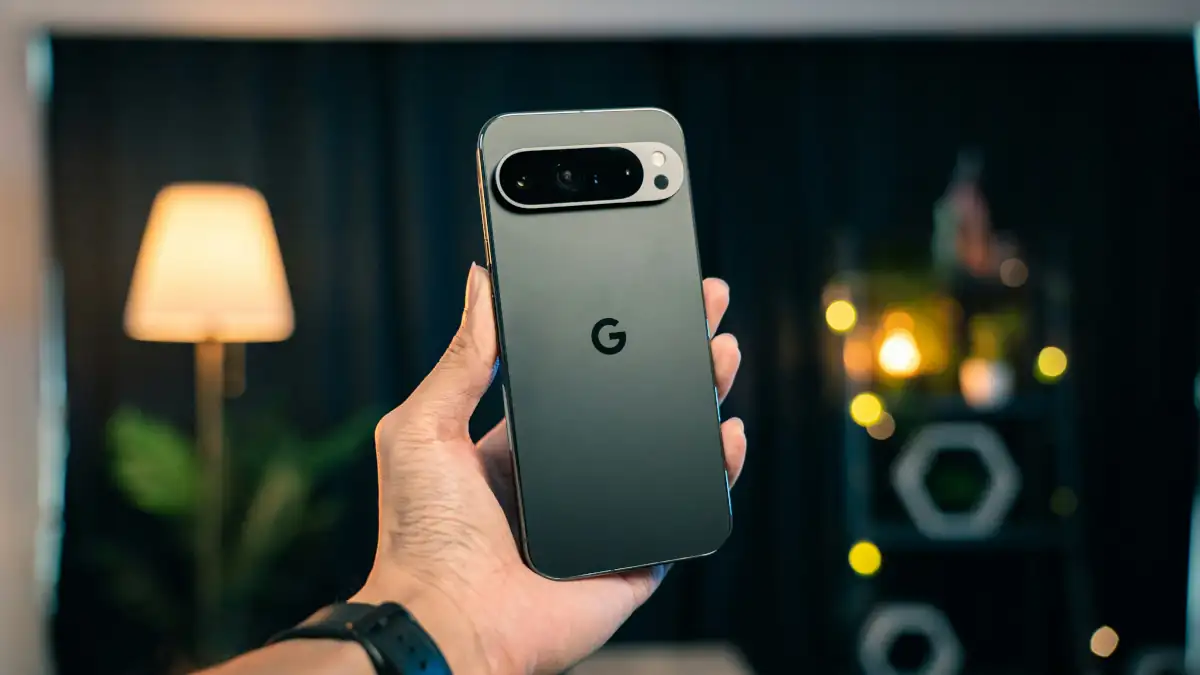
Google and Apple are set to release distinct mobile operating system updates this summer, each with a different approach to artificial intelligence. Google launched Android 17 on June 16, 2026, initially for its Pixel devices. Apple, meanwhile, unveiled iOS 27 on June 8 at its WWDC event in Cupertino. Both updates are highly anticipated by hundreds of millions of users worldwide. Android 17, powered by Google's Gemini AI, is expected to integrate deeply into the user experience, focusing on proactive assistance and personalized features. Apple's iOS 27, featuring updates to Siri and enhanced security protocols, appears to prioritize user privacy and on-device processing for AI tasks. The contrasting strategies highlight divergent philosophies on how AI should be implemented in mobile ecosystems, with Google leaning towards cloud-based, expansive AI capabilities and Apple emphasizing a more controlled, privacy-centric approach. Security measures in both updates are also a key differentiator, with Apple likely reinforcing its existing privacy frameworks and Google introducing new safeguards alongside its AI advancements.
The upcoming Android 17 and iOS 27 updates represent a critical juncture in the mobile AI landscape, showcasing contrasting strategic priorities. Google's integration of Gemini AI suggests a focus on leveraging vast cloud-based processing power for advanced, personalized user experiences. This approach, while potentially offering more sophisticated capabilities, raises questions about data privacy and reliance on network connectivity. Apple's emphasis on Siri enhancements and security in iOS 27 points to a strategy prioritizing on-device processing and user data protection, aligning with its established privacy-centric brand identity. This method may lead to more measured AI functionalities but offers greater user control and security. The divergent paths taken by these tech giants reflect fundamental trade-offs between AI's potential for ubiquitous, powerful assistance and the imperative to safeguard individual privacy in an increasingly data-driven world. Over the next decade, the success of each strategy will likely be determined by user adoption, evolving regulatory landscapes concerning AI and data, and the ongoing technological race to balance innovation with robust security and ethical considerations.
AI-generated to prompt reflection — not editorial opinion, not advice, not a statement of fact. How this works.