Andromeda Galaxy's Star Formation Rate Declining Over 500 Million Years
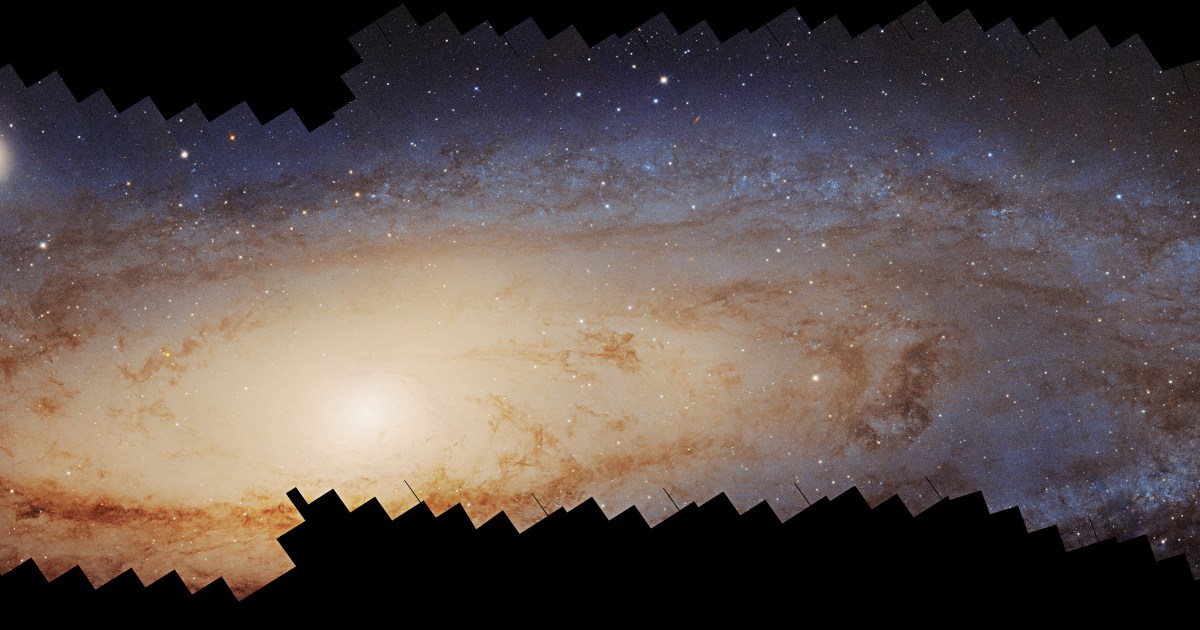
Star formation within the Andromeda Galaxy, also known as M31, has been decreasing over the past 500 million years. This finding is based on a new study that utilized data from the Hubble Space Telescope. The research was published on July 27, 2026, in The Astrophysical Journal. Tobin Wainer, an astronomer from the University of Washington, led the study. His team analyzed Hubble data to reach their conclusions about the galaxy's declining star birth rate. The study indicates a significant slowdown in the processes that create new stars in Andromeda. This observation provides new insights into the evolutionary path of our nearest large galactic neighbor. The implications of this slowdown are important for understanding galactic evolution in the local universe.
The observed deceleration of star formation in Andromeda, a galaxy crucial for understanding galactic evolution due to its proximity, highlights the dynamic and evolving nature of even large, seemingly stable structures. This trend, if mirrored in other galaxies, suggests a universal shift in galactic processes, potentially driven by factors like gas depletion or changes in the intergalactic medium. Understanding the precise mechanisms behind this slowdown is key to refining cosmological models and predicting the future states of galaxies, including our own Milky Way, over millennial timescales. The study's reliance on Hubble data underscores the enduring value of space-based observatories in capturing long-term astrophysical trends.
AI-generated to prompt reflection — not editorial opinion, not advice, not a statement of fact. How this works.