Andy Burnham Becomes UK Prime Minister as Keir Starmer Resigns
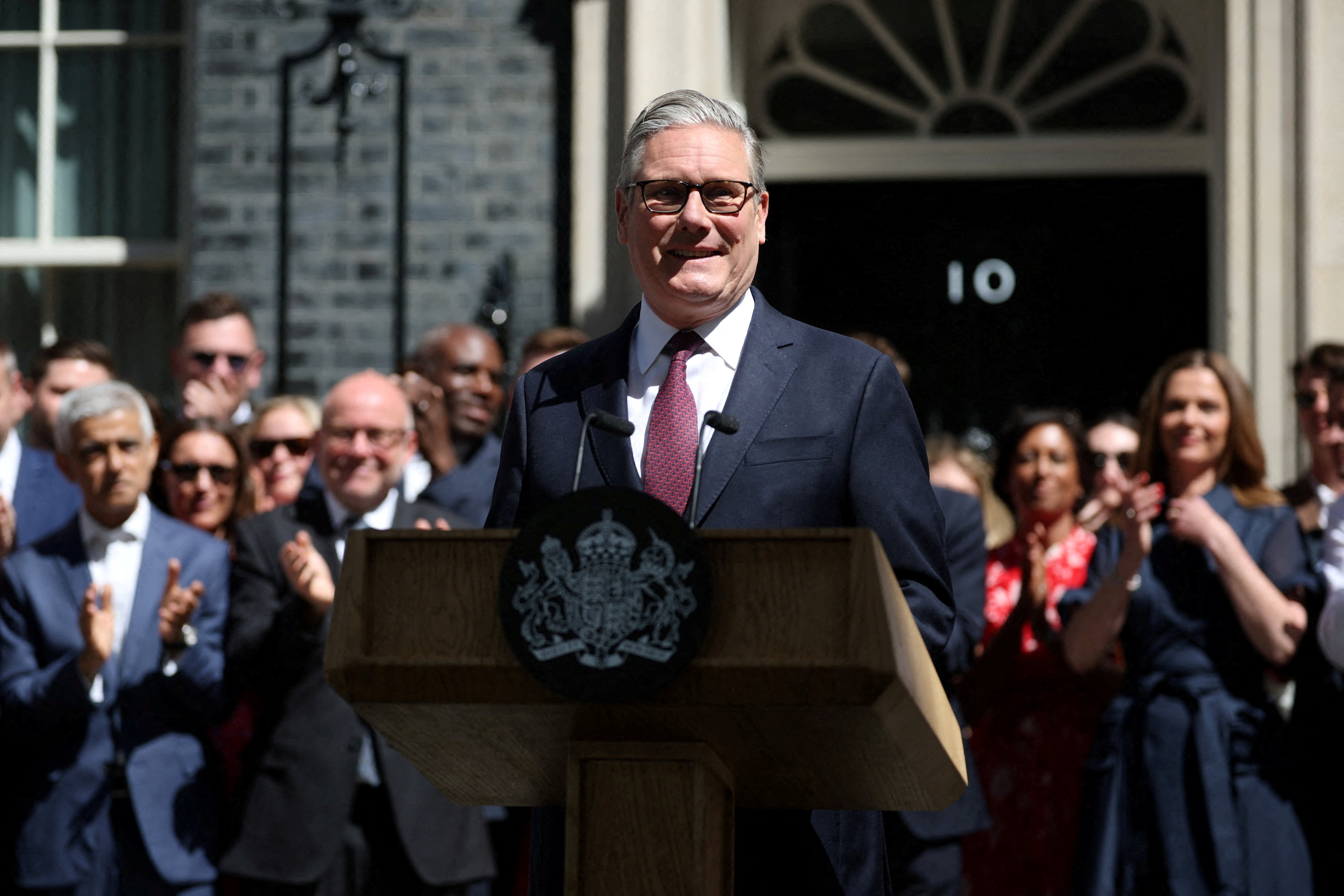
Keir Starmer has officially handed over his position as Prime Minister of the United Kingdom to Andy Burnham on Monday, July 20th. Starmer, who announced his resignation on June 22nd after months of mounting pressure, delivered a farewell speech outside 10 Downing Street, expressing gratitude for his time leading the country. Burnham's ascension to the premiership follows his confirmation as the new leader of the Labour Party on Friday, July 17th. He was the sole candidate nominated to replace Starmer, who had led the Labour Party and the government for less than two years. In the UK, the ruling party selects a successor to the prime minister upon resignation, avoiding the need for a general election. Burnham, upon being named the new Labour leader, asserted party unity and signaled his intention to implement price controls on essential goods to combat inflation, a key factor contributing to Starmer's resignation. He also pledged to govern for all regions of the United Kingdom. Starmer's tenure was marked by economic stagnation, cuts to elderly subsidies, and tax increases. His government faced scrutiny over the acceptance of gifts from party donors, including luxury items and event tickets, which, while declared, eroded his austere image. Further damaging his credibility was the resignation of his chief of staff in February 2026 due to the appointment of Peter Mandelson as ambassador to the US, despite Mandelson's association with Jeffrey Epstein. These issues culminated in a historic defeat for the Labour Party in the May regional elections, with Starmer's approval rating plummeting to 13% in May, the lowest since 1977. Facing pressure from approximately 100 party parliamentarians, Starmer ultimately resigned after 23 months in office.
The transition of power from Keir Starmer to Andy Burnham, driven by Starmer's declining approval ratings and internal party pressure, highlights the inherent volatility within parliamentary systems. The UK's mechanism for replacing a prime minister without a general election, while efficient, can concentrate significant power in party leadership, potentially leading to outcomes dictated by internal party dynamics rather than broad public mandate. Burnham's focus on price controls suggests a response to public concern over inflation, a complex economic challenge that often tests the efficacy of government intervention versus market forces. The long-term success of such policies will depend on their ability to address root causes without stifling economic growth or creating new market distortions, a delicate balancing act in the evolving global economic landscape.
AI-generated to prompt reflection — not editorial opinion, not advice, not a statement of fact. How this works.