Andy Burnham Becomes UK Prime Minister, Replacing Keir Starmer Amid Political Turmoil
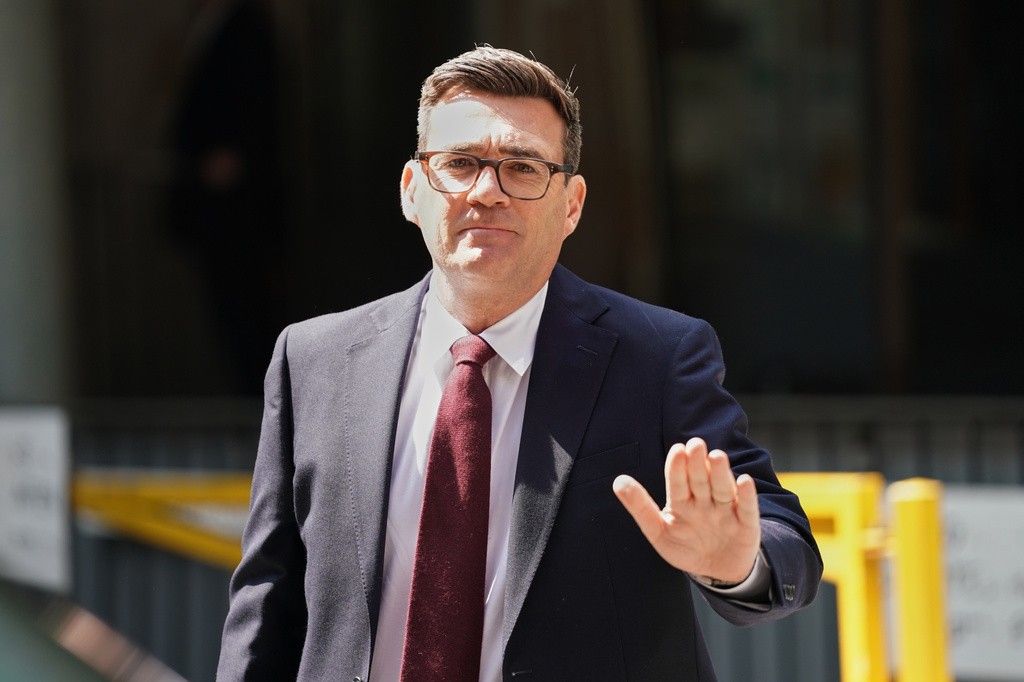
The United Kingdom has entered a new phase of its recent political history with Andy Burnham assuming the role of British Prime Minister on Monday, July 17, 2026. Burnham, the seventh leader to hold the position in the past decade, succeeds Keir Starmer. Starmer, who led the Labour Party to a significant victory in the national election in 2024, experienced a sharp decline in popularity over the subsequent 23 months. High inflation and an Epstein scandal contributed to his rejection rate reaching 74%, the highest for a British premier in 50 years. Burnham, nicknamed the 'King of the North' for his successful tenure as Mayor of Manchester, has pledged a more populist agenda. His immediate challenge is to counter the rise of the far-right, which showed strength in the British regional elections held in May of this year. The transition involved a political maneuver described as a 'gambiarra,' or makeshift solution, that brought Burnham to the center of British power. This podcast episode features a discussion with correspondent Murilo Salviano, who reports from London, detailing the factors behind Starmer's downfall and Burnham's ascent. The report also notes that the UK is reconsidering its relationship with the European Union, ten years after Brexit.
The rapid succession of UK Prime Ministers, with Andy Burnham being the seventh in ten years, highlights significant political instability and a potential disconnect between governing parties and public sentiment. Burnham's rise, fueled by his popular mayoral record and a promise of a 'new economy,' suggests a public appetite for leadership perceived as more grounded and responsive to economic pressures like inflation. His challenge in confronting the far-right indicates a broader European trend where populist movements gain traction amidst economic uncertainty and social discontent. The political 'makeshift solution' that propelled him to power raises questions about the long-term sustainability of such governance structures and the robustness of democratic processes when facing immediate crises. Looking ahead, the UK's potential re-evaluation of its EU relationship, a decade post-Brexit, signifies a system grappling with the consequences of past decisions and seeking new equilibrium in a changing global landscape.
AI-generated to prompt reflection — not editorial opinion, not advice, not a statement of fact. How this works.