Andy Burnham Becomes UK Prime Minister Without Election
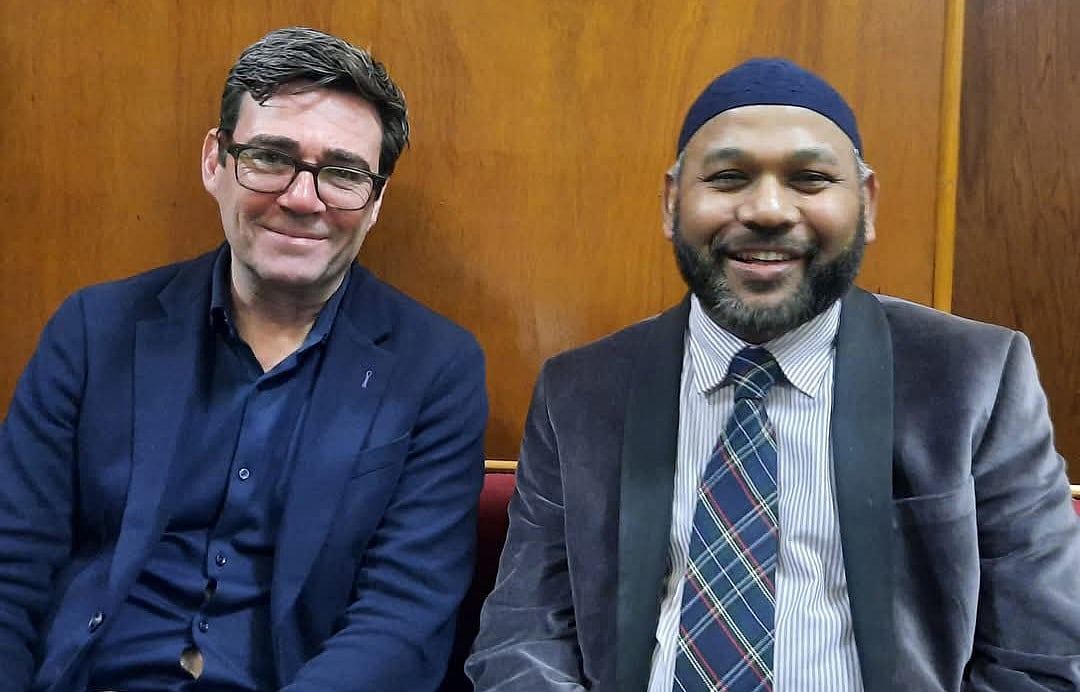
Andy Burnham has been appointed as the new Prime Minister of the United Kingdom. His ascension to this high office occurred without the necessity of a general election. The circumstances surrounding his appointment are unique, as he did not face a public vote to secure the position. This development marks a significant shift in the political landscape of the UK. Burnham's experience and insights are expected to shape his leadership. The details of how this transition occurred without an election are not provided, but it signifies a departure from the typical democratic process for selecting a head of government. His tenure begins under these unusual conditions.
The appointment of Andy Burnham as Prime Minister without a general election bypasses traditional electoral mandates, potentially raising questions about democratic legitimacy and public representation. This method of leadership transition may reflect internal party dynamics or constitutional mechanisms that allow for such appointments. Future governance will likely be scrutinized for its responsiveness to the electorate, given the absence of a direct electoral challenge. The long-term implications for political stability and public trust in the democratic process will depend on Burnham's policy decisions and his ability to connect with the broader population beyond the parliamentary or party structures.
AI-generated to prompt reflection — not editorial opinion, not advice, not a statement of fact. How this works.