Andy Burnham Becomes UK's 5th Prime Minister in 4 Years, Aims to Break Trend
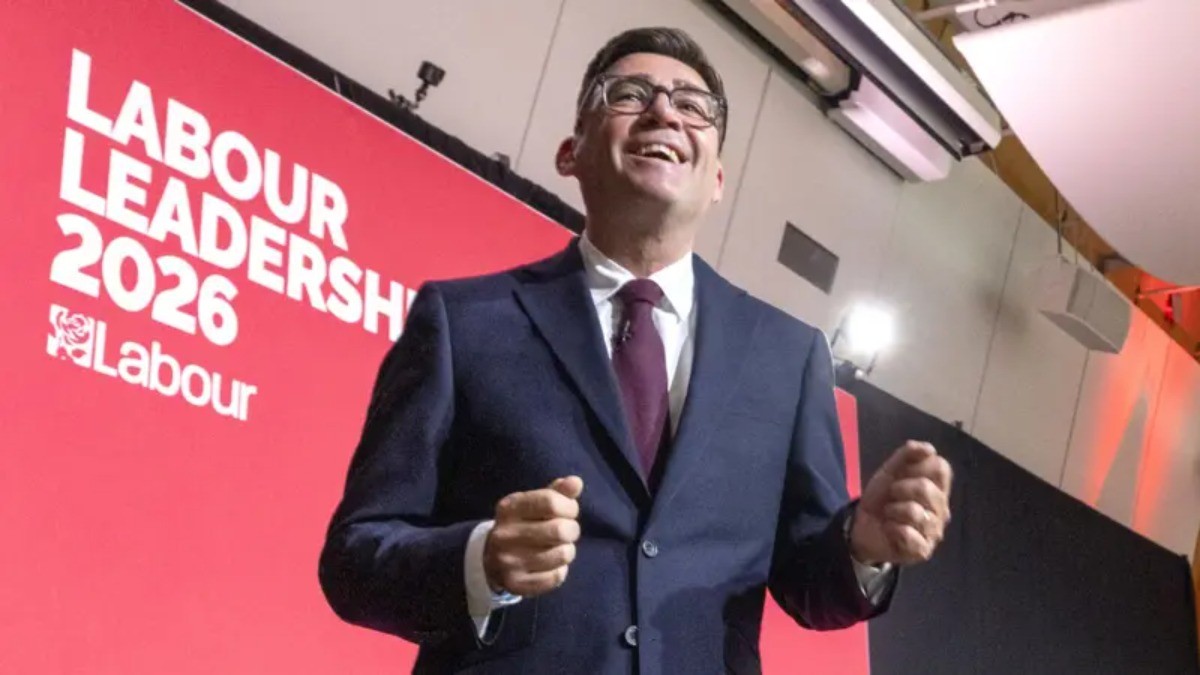
Andy Burnham is set to become the United Kingdom's fifth Prime Minister in just four years, taking office on Monday, May 20th. This rapid succession of leaders highlights a period of political instability in the UK. Since the summer of 2022, the country has seen Boris Johnson, Liz Truss, Rishi Sunak, and Keir Starmer serve as Prime Minister. Burnham, formerly the mayor of Greater Manchester, acknowledges the frequent leadership changes and aims to establish a more stable government. His tenure begins amidst public sentiment of increased hardship following Brexit and the COVID-19 pandemic, leading to impatience with politicians and declining trust in traditional parties. Burnham intends to govern with a sense of urgency, adopting a leadership style similar to his time as mayor. While parliamentary rules will necessitate some traditional attire and protocols, he may deviate from conventions, such as potentially foregoing the traditional podium for his first speech at Downing Street. He also plans to introduce a "People's Question Time" format for direct engagement with constituents across the country. Before Burnham's transition, Keir Starmer will deliver a farewell address, likely highlighting his administration's achievements, including efforts to reduce immigration and NHS waiting lists, combat child poverty, and restrict social media use for teenagers. The formation of Burnham's new cabinet is anticipated, with key positions like Chancellor of the Exchequer, Home Secretary, and Foreign Secretary expected to be filled. A minister dedicated to artificial intelligence is also reportedly being appointed. The composition of this cabinet will signal Burnham's governing priorities and approach, with immediate focus expected on the cost of living, energy prices, and the potential decentralization of power through his Manchester office.
The frequent turnover in UK Prime Ministerial leadership over the past four years suggests a systemic challenge in political stability and public trust, potentially exacerbated by significant national events like Brexit and the pandemic. Andy Burnham's stated intention to break this trend and engage directly with the public through formats like "People's Question Time" reflects an awareness of this deficit. His approach, balancing traditional parliamentary duties with potentially unconventional public outreach, could signal a broader shift in political communication strategies. The establishment of an AI-focused ministerial role indicates an acknowledgment of the transformative impact of technology on governance and society. Future administrations will likely grapple with balancing the demands of rapid technological advancement and evolving public expectations for transparency and responsiveness, while navigating the persistent economic and social pressures that have contributed to political volatility.
AI-generated to prompt reflection — not editorial opinion, not advice, not a statement of fact. How this works.