Andy Burnham Becomes UK's Seventh Prime Minister Since 2016 Amid Political Turmoil
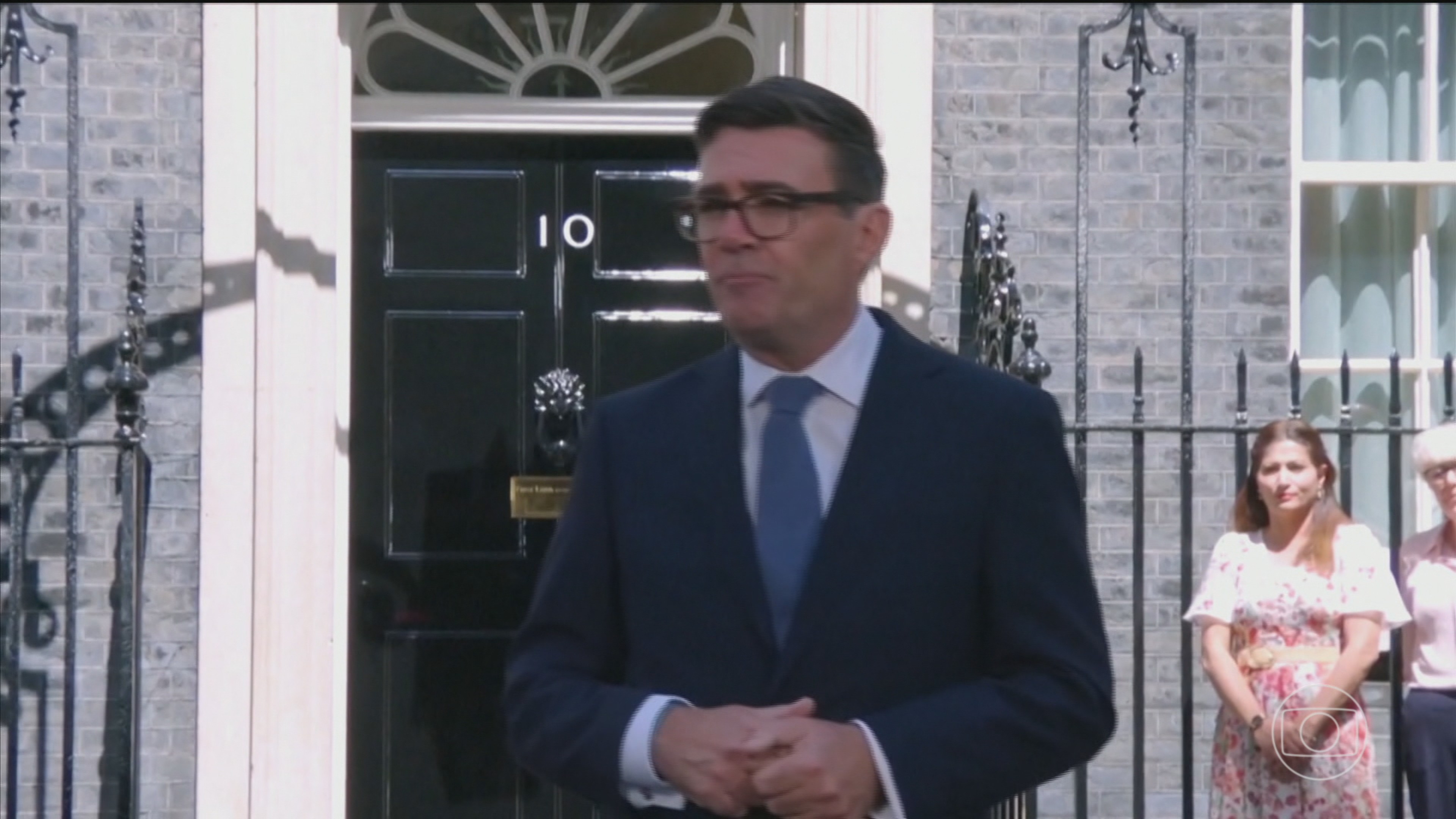
The United Kingdom has a new Prime Minister, Andy Burnham, marking the seventh leader to hold the office since 2016. His predecessor, Keir Starmer, announced his resignation, citing achievements in reducing hospital waiting lists and combating illegal immigration. Starmer's tenure, which began after a significant victory in 2024, lasted just over two years, failing to deeply engage the British public. Following protocol, Starmer submitted his resignation to King Charles III, who then invited Andy Burnham, the new Labour leader, to form the government. Burnham, who has served as Mayor of Greater Manchester for the past nine years, promises greater political stability and a less capital-centric government. He has successfully implemented a pro-business socialist model in Manchester, advocating for increased state involvement in sectors like transport and housing. Burnham's approach signals a stylistic shift, as evidenced by his informal address upon taking office, foregoing the traditional pulpit. He acknowledged the need for government improvement and committed to addressing the cost of living crisis. While specific plans are pending, he has indicated a focus on reindustrialization, youth employment support, and affordable housing, expressing a desire to restore belief and hope in Britain. Burnham aims to replicate his success in Greater Manchester, a region he transformed into the country's fastest-growing, on a national scale.
The frequent turnover of UK Prime Ministers since 2016, with Andy Burnham being the seventh, highlights significant political instability and a potential disconnect between governance and public sentiment. Burnham's emphasis on decentralization and a 'pro-business socialist' approach, honed in Greater Manchester, suggests an attempt to address systemic issues through regional empowerment and state-led economic intervention. His challenge will be to translate this localized success into a national strategy that can foster long-term stability and economic resilience, particularly in the face of cost of living pressures and evolving global economic dynamics. The effectiveness of his policies will likely be tested by their ability to balance state investment with market forces and to gain broader public trust in an era demanding adaptable and forward-thinking leadership.
AI-generated to prompt reflection — not editorial opinion, not advice, not a statement of fact. How this works.