Andy Burnham Elected Labour Leader, Set to Become UK Prime Minister
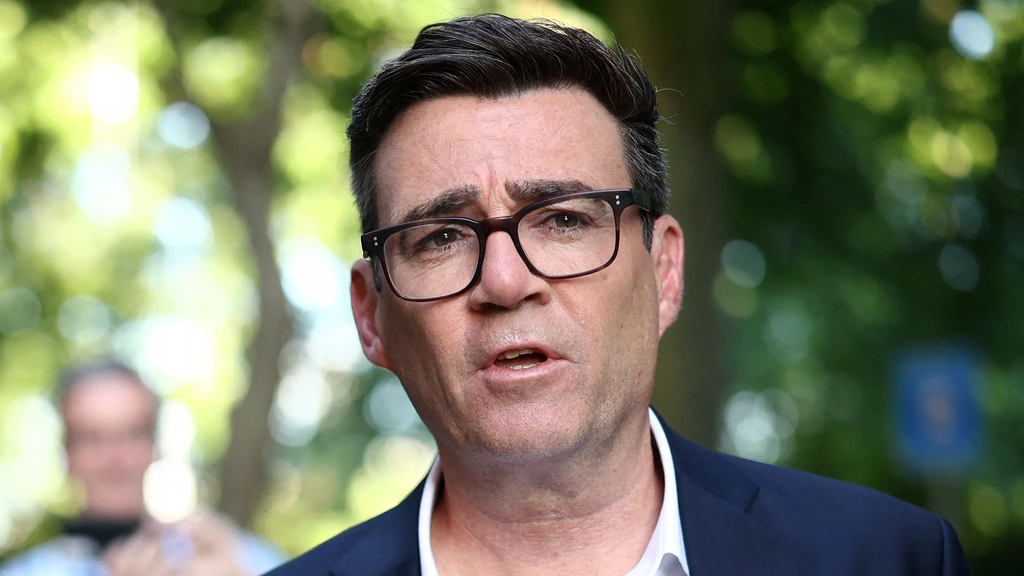
Labour Party parliamentarian Andy Burnham has been elected as the new leader of the Labour Party, succeeding Prime Minister Starmer. Burnham officially assumes leadership immediately and will become Prime Minister after Monday. He secured a significant mandate with 379 out of 403 votes from Labour Members of Parliament. In his acceptance speech, Burnham expressed gratitude for the support, emphasizing party unity and promising to restore "hope" to Labour voters. He acknowledged and thanked his predecessor, Starmer, for his contributions, particularly highlighting the reduction in waiting times for the NHS. The party aims to boost its popularity with this leadership transition. In the UK political system, the governing party can replace its Prime Minister without calling a general election, meaning Burnham's next election will not be until 2029. Burnham will officially become Prime Minister on Monday, following Starmer's resignation to the King and his subsequent appointment by King Charles. The 56-year-old politician is set to be the sixth Prime Minister in seven years. Starmer's resignation came after his party indicated his position was no longer tenable, despite leading Labour to a substantial victory in the 2024 general election. However, subsequent regional and local elections in May saw Labour suffer significant losses, while Nigel Farage's Reform UK achieved a major success. Criticisms of Starmer's leadership included perceptions of him being colorless and technocratic, as well as a scandal involving the ambassador to the US, Peter Mandelson. Burnham's recent electoral win in the Makerfield constituency last month paved the way for his challenge to Starmer. In Makerfield, Burnham decisively defeated Reform UK, offering a rare positive outcome for Labour. The party now hopes that Burnham, described as charismatic and from Northern England, can halt the advance of Nigel Farage's anti-immigration party.
The transition of power within the Labour Party, culminating in Andy Burnham's election as leader and impending premiership, highlights a dynamic within parliamentary systems where party confidence can supersede electoral mandates. Burnham's victory, particularly his success in defeating Reform UK in Makerfield, suggests a potential strategic advantage in countering the rise of right-wing populist movements by offering a more charismatic and regionally resonant figurehead. The party's decision to replace its leader post-election, while permissible under UK constitutional norms, underscores the internal pressures and performance evaluations that shape political leadership. Looking ahead, Burnham's challenge will be to leverage this perceived charisma and public support to bridge ideological divides and address voter concerns, particularly regarding immigration, without alienating core constituencies or compromising long-term policy objectives. The coming years will test whether this leadership change can foster sustained electoral success or if it represents a short-term response to shifting political landscapes.
AI-generated to prompt reflection — not editorial opinion, not advice, not a statement of fact. How this works.