Andy Burnham Secures Labour Support to Become UK's Next Prime Minister
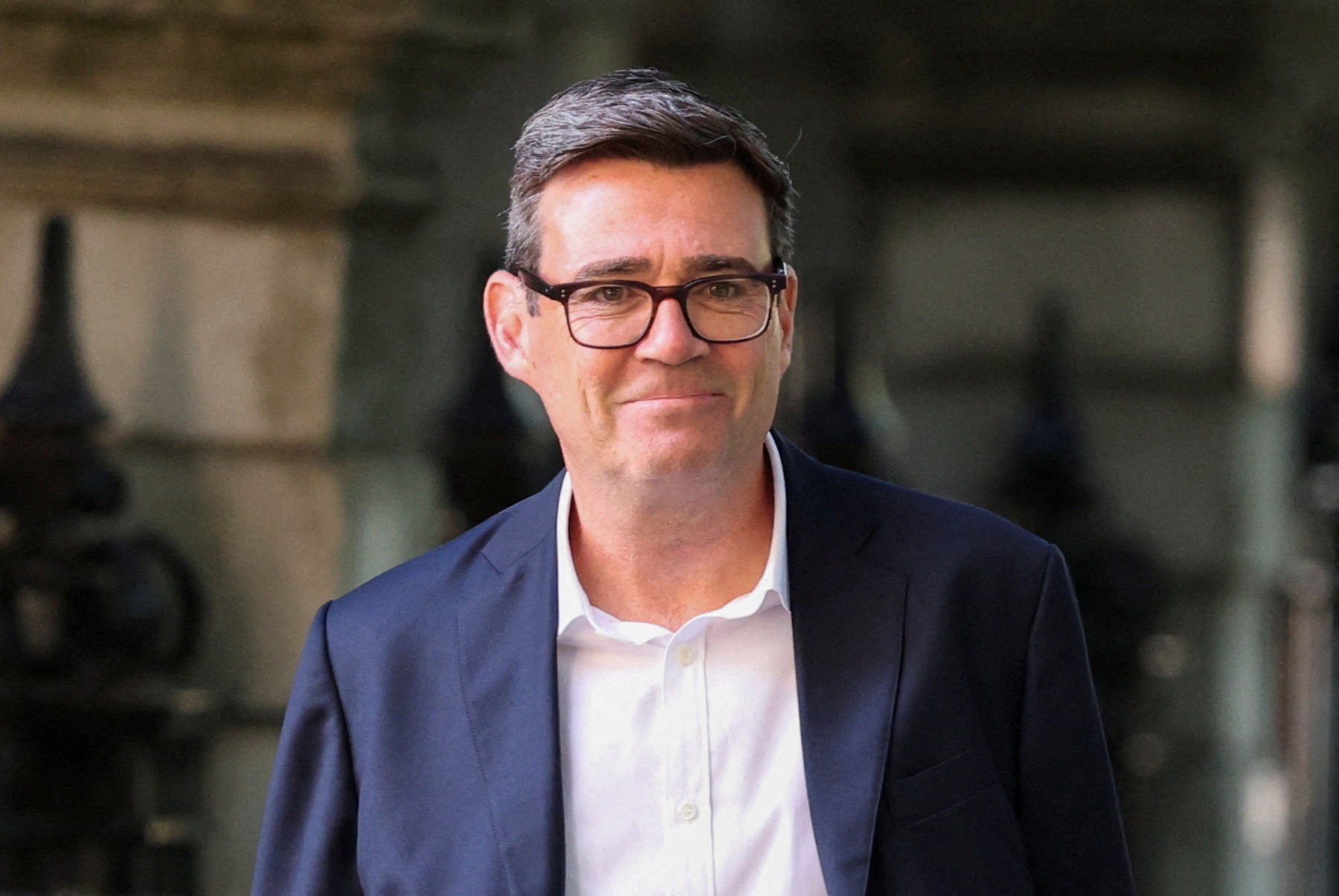
Andy Burnham, the former Mayor of Greater Manchester, is poised to become the next British Prime Minister, having secured the necessary backing from Labour MPs. Burnham received support from an additional 27 Labour MPs on Monday, adding to the 322 votes he garnered on the first day of voting last Thursday. With endorsements from 349 out of the 403 Labour MPs in Parliament, no other candidate can now reach the 81 votes required to contest the party leadership. The deadline for nominations is Wednesday, July 15th.
Burnham still needs to secure approval from three affiliated organizations, including at least two trade unions, a step considered a formality. He is expected to be officially installed as the leader of the Labour Party on July 17th during a special conference, and is likely to move into Downing Street around July 20th, following a meeting with King Charles III. The 56-year-old former mayor won a by-election on June 19th, securing a seat in Parliament, a prerequisite for his leadership bid. Burnham had previously attempted to lead the Labour Party in 2010 and 2015. Since returning to Parliament, he has outlined his government's priorities, promising significant devolution to stimulate economic growth, stating, "We will deliver the greatest ever rebalancing of power our country has ever known." The current Prime Minister, Keir Starmer, whose popularity has waned due to scandals and a stagnant economy, resigned in July 2024, prompting calls for his resignation within the Labour Party.
Andy Burnham's ascent to leadership appears driven by a confluence of factors, including parliamentary arithmetic and a perceived vacuum left by the incumbent. The narrative suggests a strategic move towards devolution as a core policy, potentially signaling a shift in governance focus. From a systems perspective, this leadership transition highlights the internal party dynamics and the electoral pressures that can shape national policy direction. The success of such devolutionary promises will likely depend on the complex interplay between central government authority and regional implementation, as well as the broader economic conditions prevailing during Burnham's potential tenure. The next decade's focus on regional resilience and adaptive governance may see such decentralization efforts tested and refined.
AI-generated to prompt reflection — not editorial opinion, not advice, not a statement of fact. How this works.