Andy Burnham Takes Helm as UK's New Prime Minister Amid Political Uncertainty
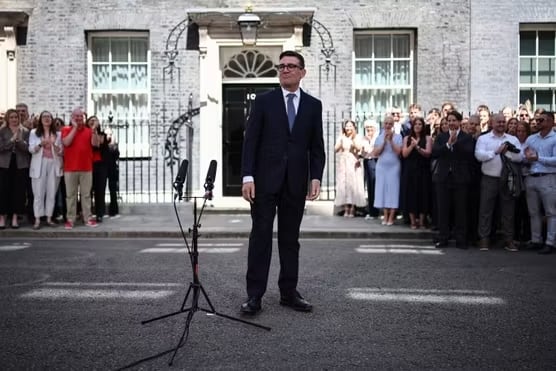
The Labour Party has appointed Andy Burnham as the United Kingdom's new Prime Minister, replacing Keir Starmer. Burnham, who was not a Member of Parliament until recently, assumes leadership at a time of perceived confusion in British politics, particularly following the decade-old Brexit vote. The public's reception to Burnham's leadership remains to be seen, but his initial actions signal a departure from the past. He has made significant cabinet appointments and policy announcements aimed at addressing voters' pressing concerns.
Burnham has retained Shabana Mahmood as Home Secretary, aligning with her firm stance on immigration, which resonates with a majority of voters. John Healey has been appointed as the new Chancellor of the Exchequer. While Healey, like his predecessor Rachel Reeves, intends to reassure financial markets, he shares Burnham's view on the necessity of greater support for citizens struggling with the cost of living. Early policy announcements, such as tax relief on electricity bills and a cap on bus fares, are expected to have a minor impact on household finances but are intended as a strong signal of intent to disillusioned voters.
The Labour Party's re-election prospects, especially if Burnham avoids early elections, will hinge on stimulating the UK's sluggish economic growth. This task is complicated by his commitment to the fiscal orthodoxy established by Starmer and Reeves. Burnham faces the challenge of adhering to fiscal responsibility while resisting calls for increased spending from the left wing of the Labour Party. He must also ensure that progress in the National Health Service, though currently modest, is not hindered. Despite these challenges, Burnham, a skilled communicator, has in his first week conveyed a stronger sense of purpose and hope than his predecessor did in two years, marking a promising start.
The transition of leadership within the UK Labour Party, bringing Andy Burnham to the premiership, occurs against a backdrop of significant political and economic challenges, including the long-term implications of Brexit and persistent cost-of-living pressures. Burnham's initial policy signals, emphasizing fiscal prudence alongside targeted cost-of-living relief, reflect an effort to balance traditional Labour principles with market expectations. The effectiveness of this strategy will be tested by its capacity to genuinely stimulate economic growth, a critical factor for electoral success, while navigating internal party pressures for greater public spending. The coming years will reveal whether this approach can foster sustainable economic improvement and address voter disillusionment, or if it represents a continuation of incrementalism that fails to meet the scale of the nation's challenges in the evolving global economic landscape.
AI-generated to prompt reflection — not editorial opinion, not advice, not a statement of fact. How this works.