Andy Burnham to Become UK's Seventh Prime Minister in a Decade as Labour Selects New Leader
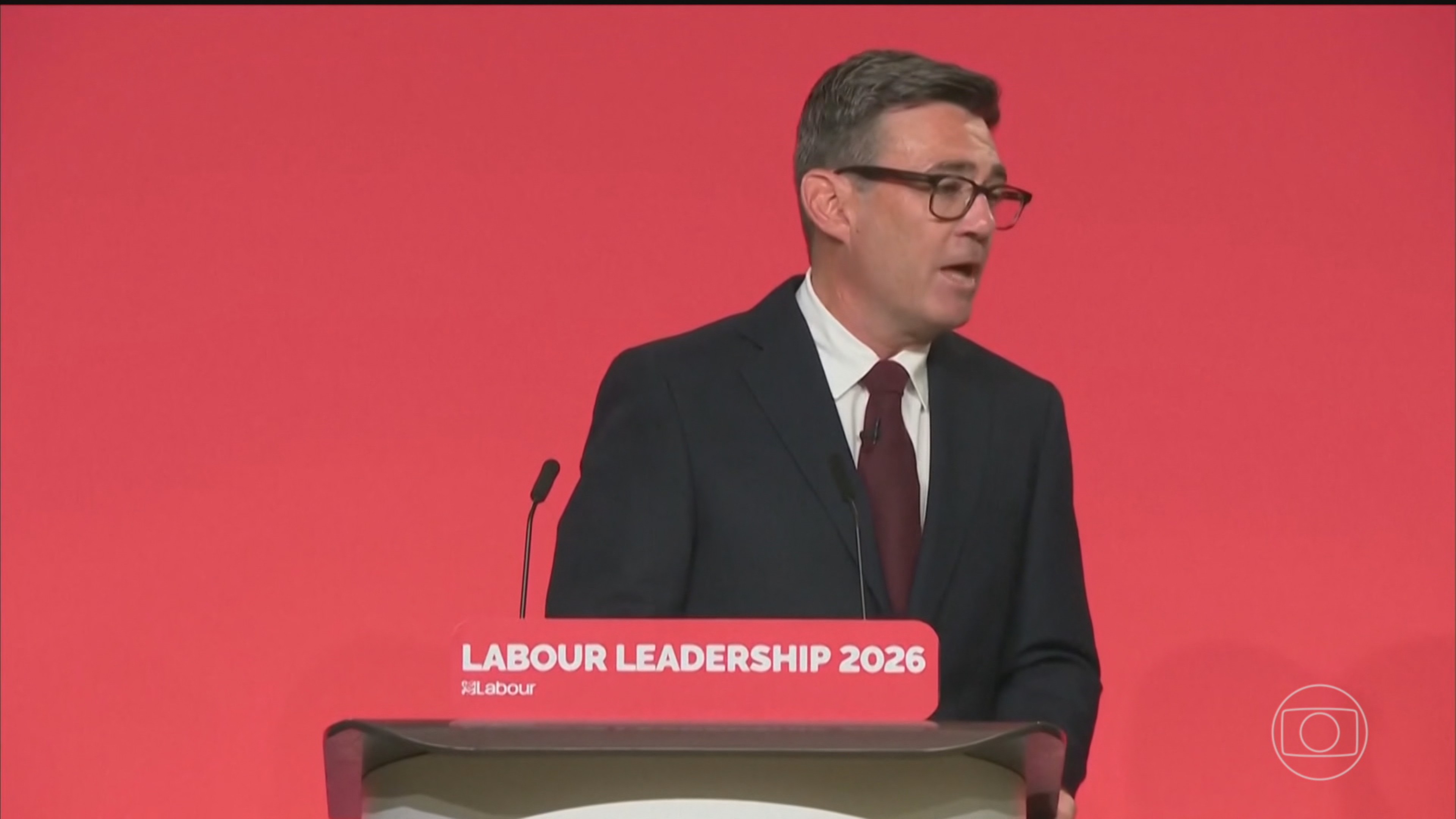
The Labour Party in the United Kingdom has chosen Andy Burnham as its new leader, positioning him to become the seventh British Prime Minister within a ten-year span. Burnham, often nicknamed the "King of the North," is a popular and ambitious figure known for challenging the central power of Westminster. Despite his approachable persona, which includes an interest in sports and DJing, he has a significant political background, having served as a Member of Parliament, a minister, and since 2017, the Mayor of Greater Manchester. This region, historically the cradle of the Industrial Revolution and which faced economic hardship from the 1960s, now boasts the highest economic growth rate in the UK.
Burnham's political philosophy, termed "Manchesterization," advocates for decentralizing public administration away from London, granting regions greater control over housing, transportation, and other local issues. Within the Labour Party, he is widely regarded as the most capable individual to lead them to victory in the upcoming general election, prompting his swift ascent to the leadership. In his acceptance speech on Friday, November 17th, Burnham pledged to be a pragmatic, "pro-business" left-wing leader focused on reindustrializing the nation and restoring hope to the British people. His primary challenges will be to rebuild the party's credibility and stimulate the UK economy, with his "Manchesterization" policies now facing practical implementation.
The selection of Andy Burnham as Labour leader and potential Prime Minister marks a significant shift towards regional empowerment within the UK's political landscape. His "Manchesterization" agenda, focusing on devolving power and resources to local areas, directly addresses the economic disparities and governance critiques that have emerged in recent decades. This approach could foster more tailored economic development and public service delivery, potentially mitigating the volatility seen in national leadership over the past ten years. However, the success of this strategy hinges on its practical application and ability to deliver tangible economic improvements, which will be closely scrutinized by both the public and the financial markets. The challenge lies in balancing regional autonomy with national economic stability and ensuring that the reindustrialization efforts are sustainable in the context of global technological shifts and environmental imperatives.
AI-generated to prompt reflection — not editorial opinion, not advice, not a statement of fact. How this works.