Andy Serkis Addresses Diversity Criticisms for 'Mowgli' Film
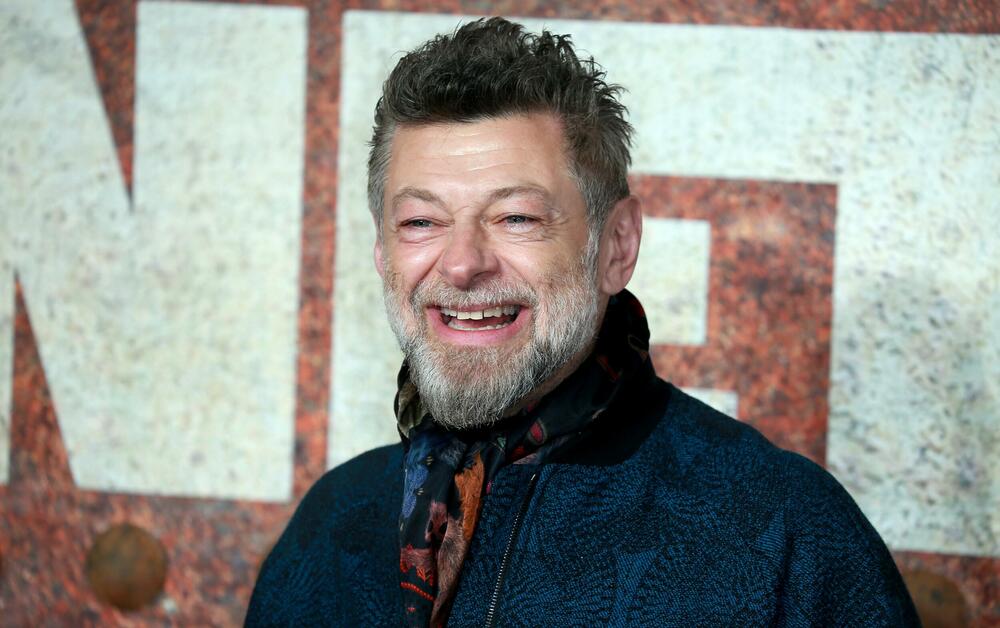
Director Andy Serkis has responded to criticism regarding a perceived lack of diversity in the casting for his film "Mowgli: Legend of the Jungle." Serkis stated that actors are not selected solely to meet diversity quotas. Instead, he emphasized that casting decisions are driven by the specific needs of the story and the characters being portrayed. The film, which was released on Netflix in December 2018, features a predominantly white cast in its human roles, despite being set in India. Serkis, who also directed and produced the film, defended the choices made during the casting process. He indicated that the priority was to find the best actors for each role, regardless of their background, to serve the narrative effectively. The director believes that focusing on fulfilling quotas can detract from the artistic integrity of a project. He suggested that genuine representation should arise organically from the storytelling itself. The film's visual effects were praised, but the casting faced scrutiny from some audiences and critics. Serkis reiterated his commitment to telling compelling stories with actors who best embody the characters' essence.
The director's stance highlights a common tension in media production between achieving authentic representation and adhering to narrative requirements. While Serkis asserts that casting is story-driven, the perception of a lack of diversity, particularly in a film set in India, raises questions about the industry's broader efforts to ensure inclusive storytelling. The challenge lies in balancing artistic freedom with the growing societal expectation for diverse voices and perspectives on screen. Future productions may benefit from proactively considering how casting choices can both serve the narrative and reflect a wider range of human experiences, potentially through more inclusive talent pipelines and a willingness to explore diverse interpretations of roles.
AI-generated to prompt reflection — not editorial opinion, not advice, not a statement of fact. How this works.