Angelica Iacovelli: From Puglia to Stanford, Revolutionizing Cancer Detection
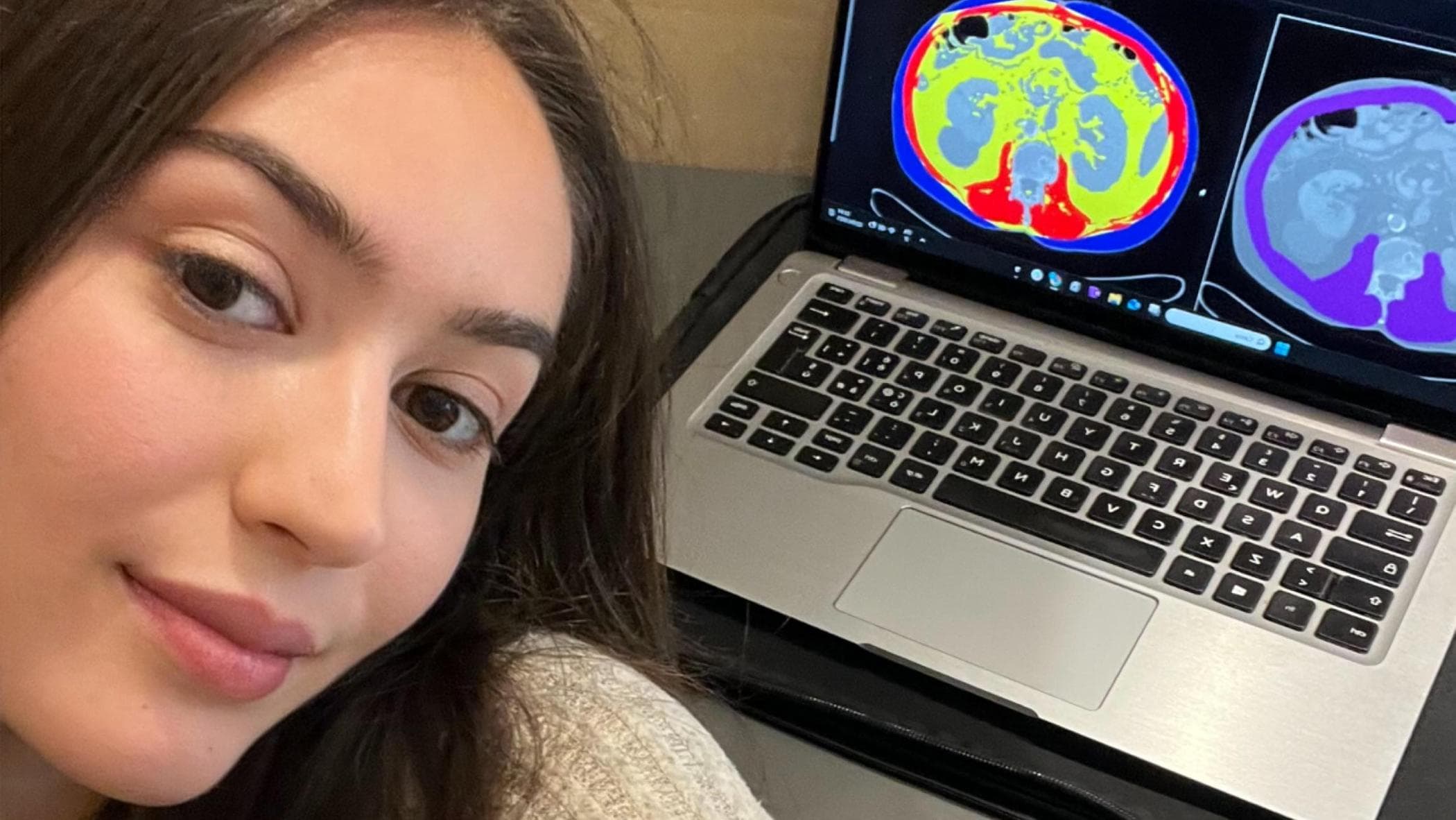
Angelica Iacovelli, originally from Puglia, Italy, has achieved a significant milestone by co-founding Nucleo Research and developing an algorithm that dramatically accelerates cancer detection. This innovative technology is reportedly 2,500 times faster than traditional methods used for analyzing CT scans. The breakthrough promises to significantly improve the speed and efficiency of identifying tumors, potentially leading to earlier diagnoses and more effective treatment outcomes. Iacovelli's journey from Puglia to Stanford highlights her dedication to leveraging advanced technology for critical medical applications. Nucleo Research's algorithm represents a major advancement in medical imaging analysis, offering a powerful new tool for radiologists and oncologists. The speed increase suggests a potential for handling larger volumes of scans and reducing patient waiting times for results. This development could have a profound impact on cancer care globally, making diagnostics more accessible and timely.
The development of Nucleo Research's algorithm, reportedly 2,500 times faster than traditional CT scan analysis for tumor detection, signifies a potential paradigm shift in medical diagnostics. This advancement addresses critical bottlenecks in healthcare systems by drastically reducing analysis time, which could lead to earlier patient intervention and improved outcomes. From a systems perspective, such efficiency gains are crucial for scaling diagnostic capabilities, especially in light of increasing global health demands and the growing volume of medical data. The integration of advanced algorithms into diagnostic workflows, exemplified by Iacovelli's work, aligns with the broader trend of AI-driven healthcare, promising to enhance accuracy, speed, and accessibility. Future considerations will involve rigorous clinical validation, regulatory approval, and equitable deployment to ensure this technological leap benefits all patient populations.
AI-generated to prompt reflection — not editorial opinion, not advice, not a statement of fact. How this works.